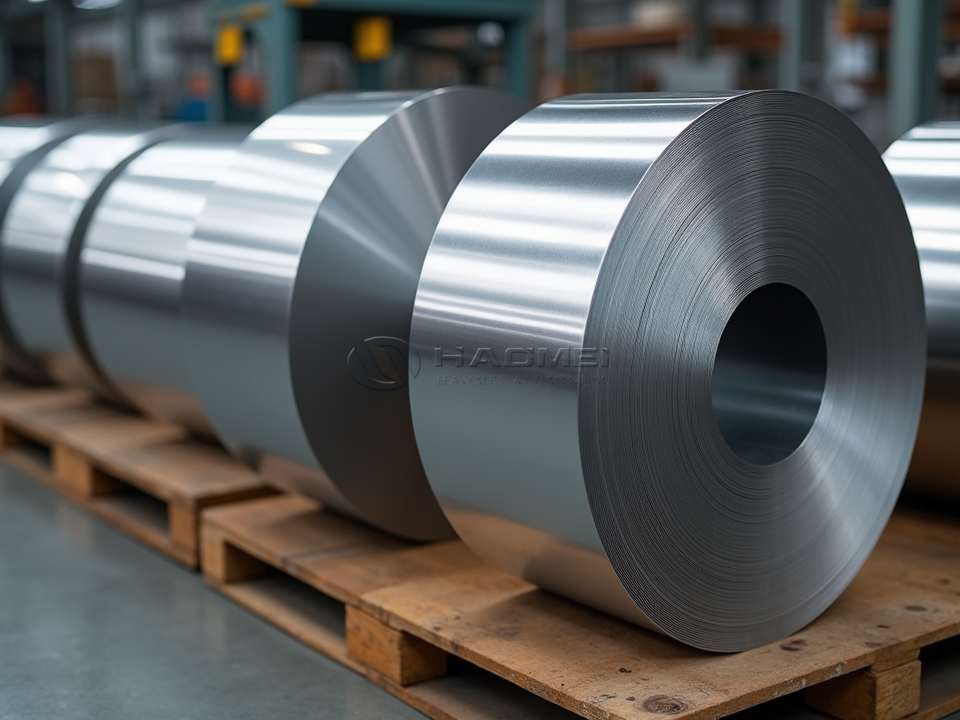
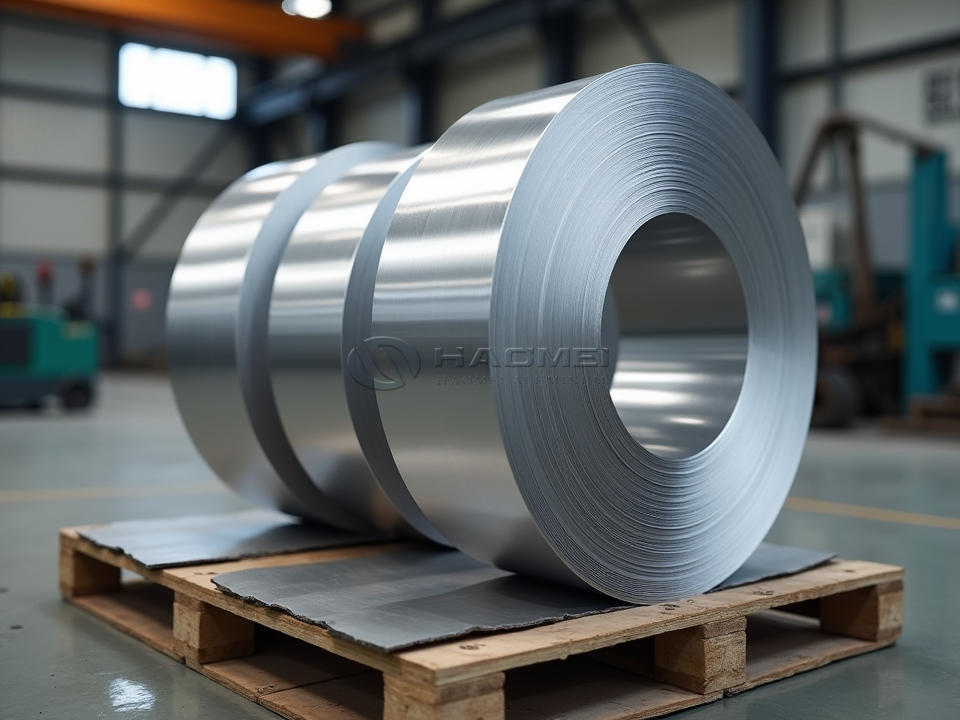
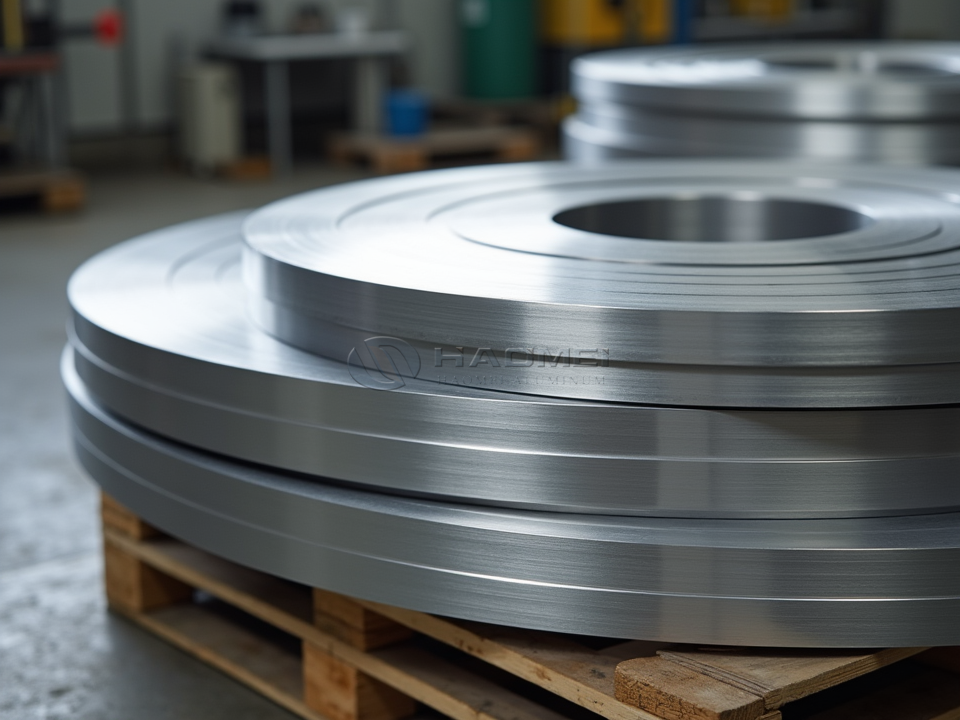
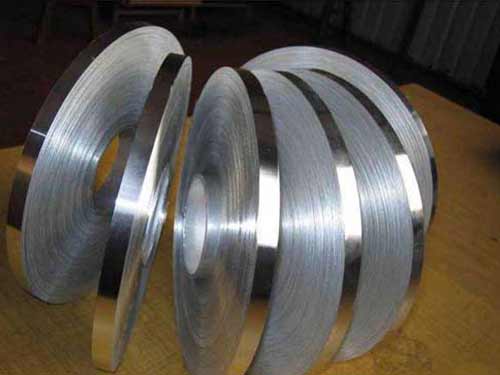
3003 Aluminium Strip 3003 Aluminum Coil
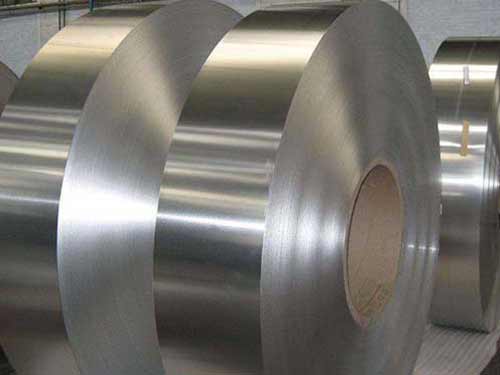
3003 aluminium strip and 3003 aluminum coil are widely used Al-Mn alloy materials designed for fabrication work that needs better strength than pure aluminum while keeping excellent formability, corrosion resistance, and surface stability. As a non-heat-treatable alloy, 3003 gains its strength mainly through cold rolling and temper control, making it reliable for slitting, bending, stamping, roll forming, deep drawing, and continuous production lines.
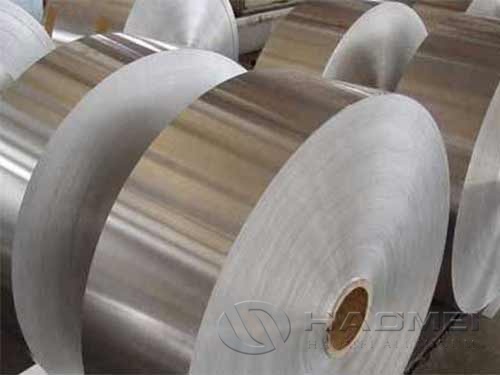
For customers comparing aluminum strip grades, 3003 is often selected when 1050 or 1060 is too soft, yet a high-strength marine alloy is not required. It offers a practical balance of cost, processing performance, and long service life in indoor and mild outdoor environments.
Product Character
3003 aluminum coil belongs to the 3xxx series aluminum-manganese family. The addition of manganese improves strength, fatigue behavior, and resistance to deformation during service. It cannot be hardened by heat treatment, but it responds well to strain hardening, so different tempers can be produced for soft forming or higher stiffness.
| Item | Typical Description |
|---|---|
| Alloy | 3003 |
| Alloy system | Aluminum-manganese |
| Heat treatment | Non-heat-treatable |
| Main strengthening method | Cold rolling and strain hardening |
| Common tempers | O, H12, H14, H16, H18, H22, H24, H26 |
| Surface | Mill finish, bright finish, coated, embossed, brushed on request |
| Processing | Slitting, cutting, bending, stamping, deep drawing, welding |
| Typical supply form | Strip coil, narrow strip, wide coil, sheet cut from coil |
Customers sourcing 3003 Aluminum Strip usually value its stable flatness, uniform thickness, clean edges, and dependable behavior in automated forming equipment.
Chemical Composition
The controlled manganese range is the reason 3003 performs differently from pure aluminum grades. It increases mechanical strength while retaining very good ductility.
| Element | Content, % |
|---|---|
| Si | <= 0.60 |
| Fe | <= 0.70 |
| Cu | 0.05 - 0.20 |
| Mn | 1.00 - 1.50 |
| Mg | Not specified, trace level controlled by mill practice |
| Cr | Not specified, trace level controlled by mill practice |
| Zn | <= 0.10 |
| Other each | <= 0.05 |
| Other total | <= 0.15 |
| Al | Remainder |
This chemistry gives 3003 aluminum strip a clean combination of moderate strength, weldability, corrosion resistance, and finishing adaptability.
Mechanical Properties
Actual properties depend on thickness, temper, production standard, and final application. The values shown are typical reference ranges for common strip and coil conditions.
| Temper | Tensile Strength, MPa | Yield Strength, MPa | Elongation, % | Processing Character |
|---|---|---|---|---|
| O | 95 - 130 | >= 35 | 20 - 30 | Soft, excellent for deep drawing and severe bending |
| H12 | 120 - 160 | >= 85 | 8 - 12 | Lightly hardened, good formability |
| H14 | 140 - 180 | >= 115 | 5 - 10 | Half hard, common for general fabrication |
| H16 | 165 - 205 | >= 145 | 3 - 6 | Higher stiffness for formed parts |
| H18 | 185 - 230 | >= 170 | 2 - 4 | Hard temper, suitable for flat or shallow-formed parts |
| H24 | 140 - 180 | >= 115 | 6 - 12 | Stabilized temper with improved consistency |
For parts requiring sharper bends, O or H12 is usually preferred. For panels, covers, insulation jackets, and components needing better shape retention, H14 or H16 is a frequent choice.
Technical Specifications
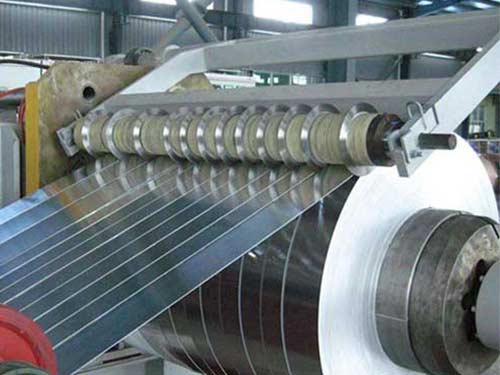
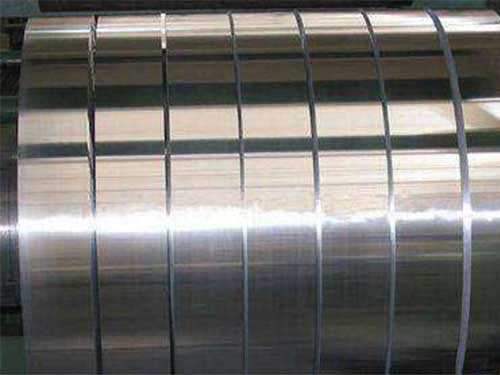
3003 aluminium strip can be supplied in mill-finish coils or precision-slit coils according to customer line requirements. Tight thickness control and burr control are especially important for stamping dies, transformer accessories, HVAC fins, and packaging components.
| Parameter | Common Range |
|---|---|
| Thickness | 0.15 - 3.00 mm for strip, thicker coil available by request |
| Width | 10 - 1600 mm |
| Inner diameter | 76 mm, 152 mm, 300 mm, 405 mm, 505 mm |
| Coil weight | 100 kg - 5000 kg, depending on width and ID |
| Thickness tolerance | According to ASTM B209, EN 485, or agreed mill tolerance |
| Width tolerance | Precision slit tolerance available for narrow strip |
| Edge condition | Slit edge, deburred edge, round edge on request |
| Surface protection | Paper interleaving, film, oiling, moisture-proof packaging |
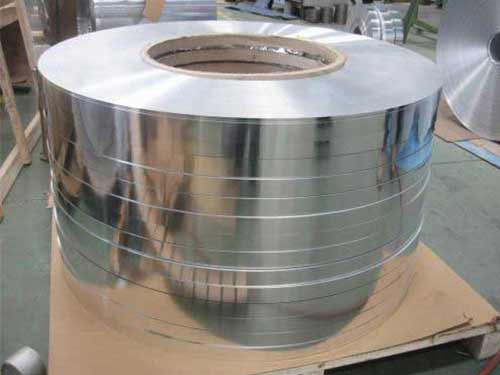
| Packaging | Eye-to-wall or eye-to-sky wooden pallet packaging |
Performance Advantages
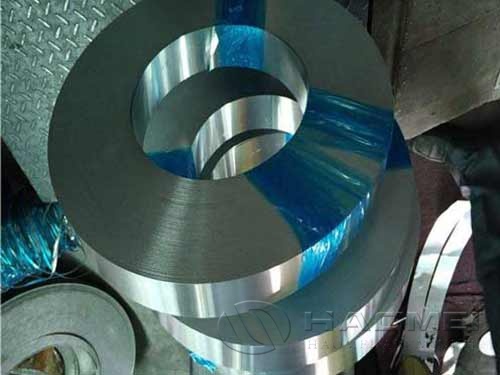
3003 aluminum coil is easy to process on high-speed equipment. Its good ductility allows stable forming without frequent cracking, while its higher strength compared with pure aluminum reduces denting and deformation in finished parts.
| Performance Area | Customer Benefit |
|---|---|
| Formability | Supports bending, roll forming, stamping, and drawing operations |
| Corrosion resistance | Performs well in atmospheric, indoor, HVAC, and general industrial environments |
| Weldability | Suitable for TIG, MIG, resistance welding, and brazing-related fabrication |
| Surface quality | Accepts coating, painting, anodizing, embossing, and brushing |
| Strength-to-weight ratio | Reduces component weight while maintaining usable rigidity |
| Dimensional stability | Helps improve productivity in continuous feeding and slitting lines |
Compared with commercial-purity options such as 1050 / 1060 Aluminum Strip, 3003 provides a noticeable strength improvement while still remaining friendly to forming tools and bending equipment.
Common Applications
3003 aluminium strip and coil are used wherever clean forming, reliable corrosion resistance, and moderate strength are required. The alloy is especially common in industries that need repeatable processing from coil to finished part.
| Industry | Typical Use Cases |
|---|---|
| HVAC and heat exchange | Fins, evaporator parts, air-conditioning components, ventilation parts |
| Building and insulation | Pipe jacketing, roofing accessories, cladding strip, decorative trim |
| Packaging | Bottle caps, closures, container components, food-related covers after suitable treatment |
| Automotive and transport | Heat shields, radiator parts, fuel tank components, interior formed parts |
| Household products | Cookware, kitchenware, appliance panels, storage containers |
| Electrical and lighting | Lamp caps, reflectors, cable wrapping, nameplates, stamped housings |
| Industrial fabrication | Tanks, ducts, cabinets, panels, formed covers, general sheet-metal parts |
For deep drawing, customers often request soft temper with controlled grain size and clean surface. For insulation jacketing and cladding, wider coils with H14 or H16 temper are common because they offer better stiffness during installation.
Processing and Fabrication Notes
The best temper depends on the forming route. Deep drawing needs ductility, while roll forming and panel work need more stiffness. Tool radius, lubrication, feeding speed, and grain direction all influence final part quality.
| Process | Recommended Approach |
|---|---|
| Slitting | Use sharp knives and suitable clearance to reduce burr and camber |
| Bending | Select O, H12, or H14 for tight bend radius requirements |
| Stamping | Match temper to draw depth and die geometry |
| Welding | Clean surface before welding to reduce oxide-related defects |
| Coating | Ensure degreasing and pretreatment before painting or laminating |
| Storage | Keep coils dry, ventilated, and protected from condensation |
Quality Points for Purchasing
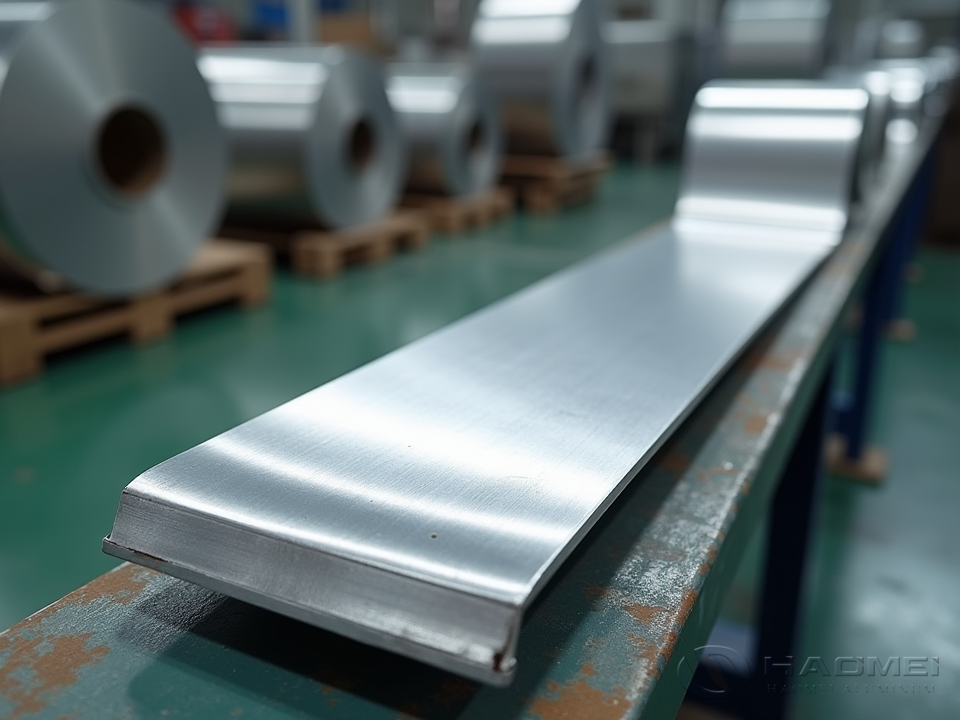
When purchasing 3003 aluminum coil, customers should confirm thickness, width, temper, coil ID, surface requirement, edge condition, and packaging method. For automated production, it is also useful to define coil joint requirements, maximum burr height, camber limit, and surface defect allowance.
| Purchase Item | Why It Matters |
|---|---|
| Temper | Determines bending ability and finished part strength |
| Thickness tolerance | Affects stamping stability and assembled dimensions |
| Surface finish | Influences coating, appearance, and sealing performance |
| Edge quality | Reduces feeding scratches and die wear |
| Coil ID and weight | Must match decoiler and production line capacity |
| Packaging | Prevents moisture stains, edge damage, and transit deformation |
3003 aluminium strip and 3003 aluminum coil give manufacturers a dependable material for high-volume forming, corrosion-resistant fabrication, and lightweight component design. With proper temper selection and precise slitting, this alloy delivers smooth processing, consistent appearance, and economical performance across many industrial and consumer applications.