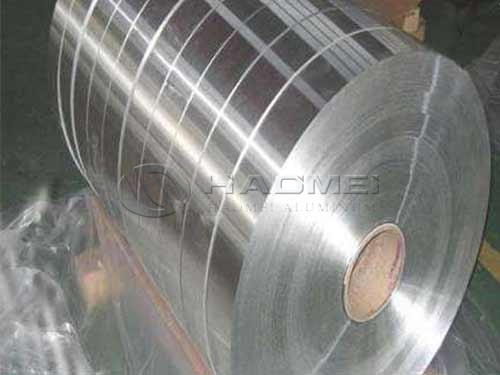
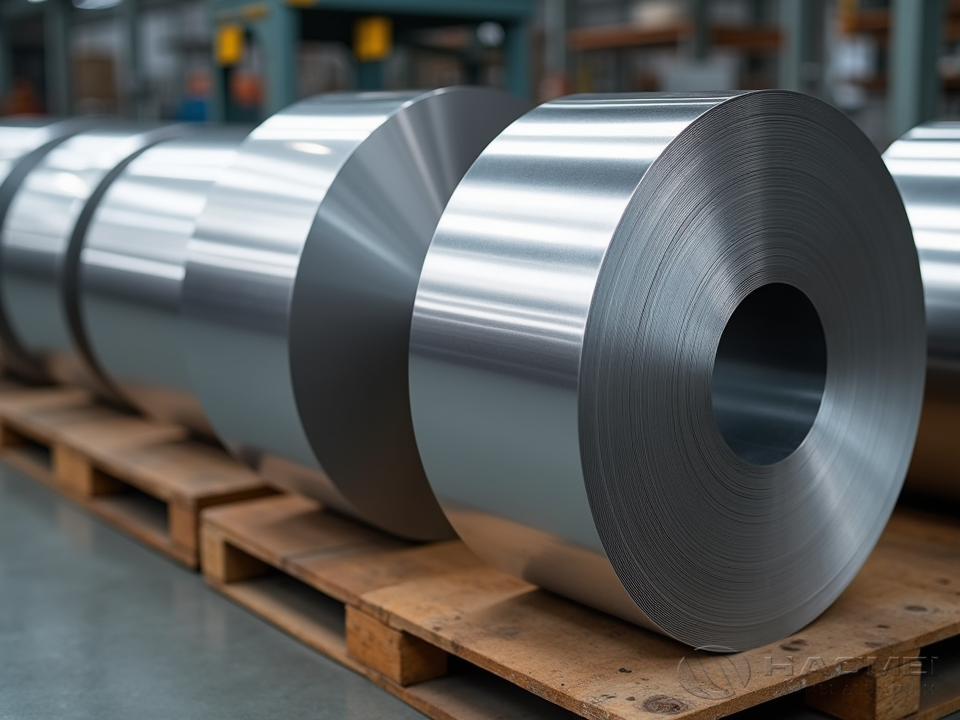
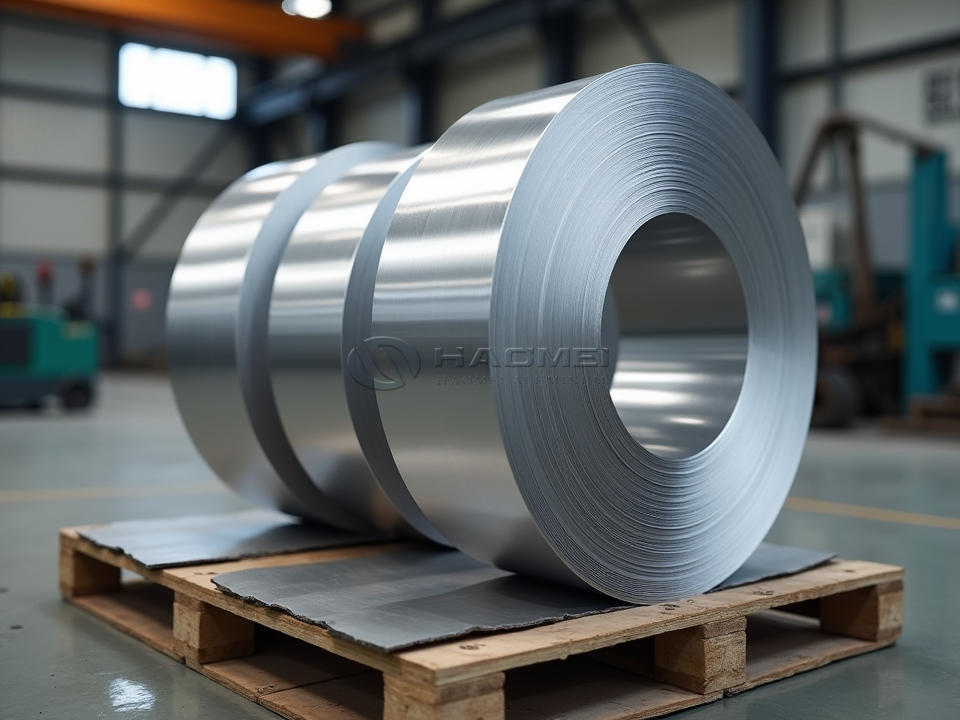
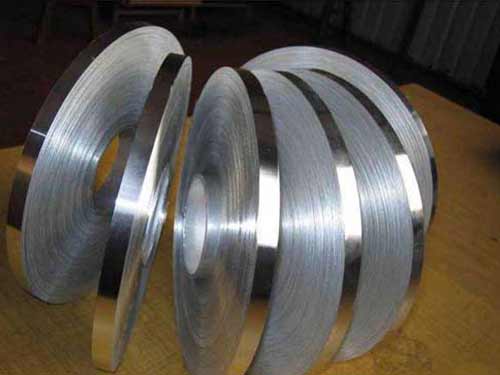
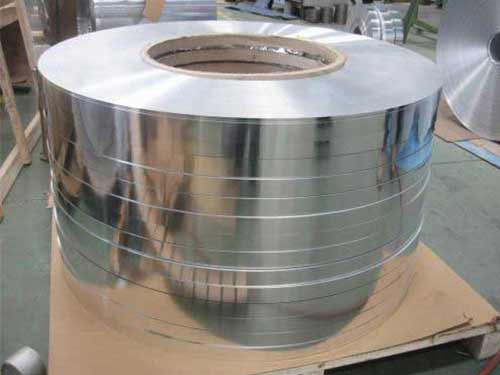
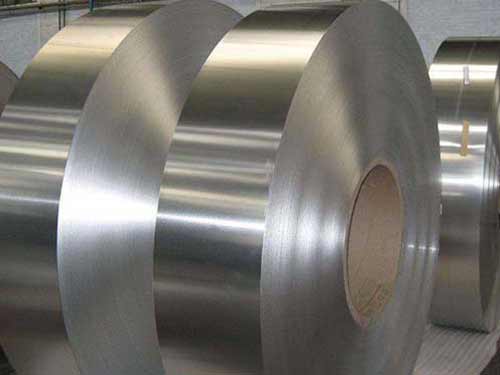
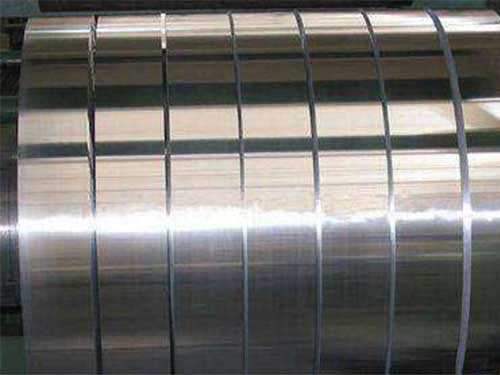
3003 3005 5052 Aluminum Strip for Channel Letter
A channel letter looks simple from the street: a clean edge, a glowing face, a color that stays fresh through rain and sun. Inside the sign shop, that clean edge depends heavily on one material choice: the aluminum strip used for the return. 3003, 3005, and 5052 aluminum strip each bring a different working style to bending, shaping, coating, riveting, and outdoor service.
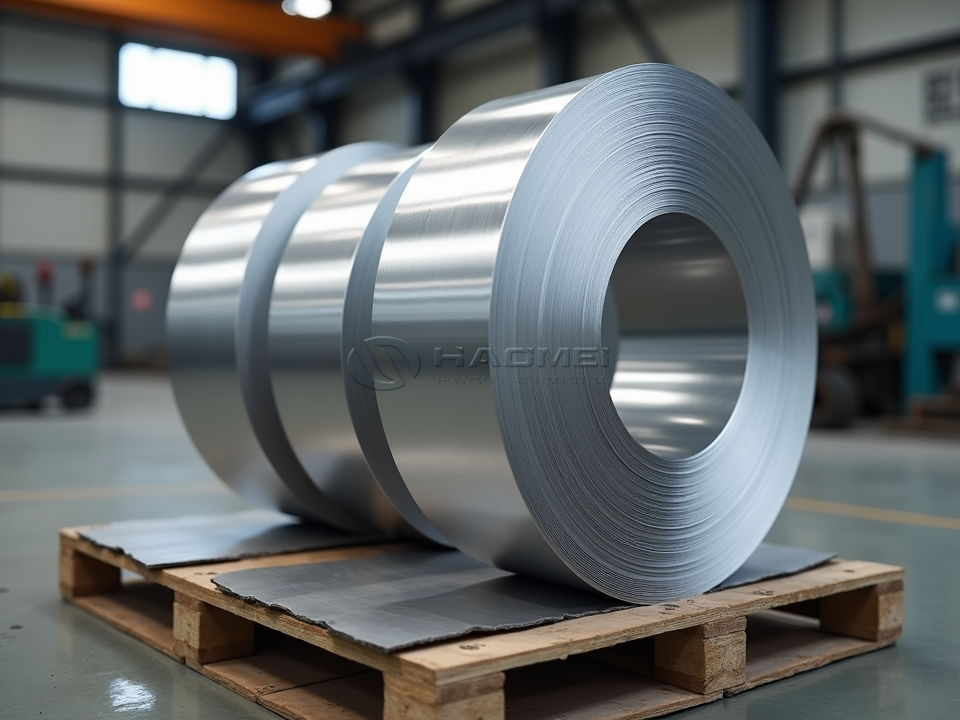
For channel letter production, aluminum strip is not chosen only by alloy name. The real decision sits at the workbench: bend radius, return height, paint adhesion, edge quality, springback, salt-air exposure, and whether the strip will run smoothly through automatic bending machines. A soft strip may form beautifully but dent too easily. A stronger strip may hold shape well but need more careful tooling. The best choice is the one that keeps fabrication fast while preserving a sharp, durable sign body.
Why These Three Alloys Fit Channel Letters
3003 is an Al-Mn alloy known for reliable formability and better strength than pure aluminum. It is widely used where easy bending and stable shape are both required. For many indoor and general outdoor signs, 3003 Aluminum Strip offers a practical balance of cost, workability, and corrosion resistance.
3005 is also an Al-Mn alloy, often selected for pre-painted channel letter coil because it accepts coating well and offers slightly higher strength than 3003. It is a favorite when sign makers need colored returns, consistent surface appearance, and good resistance to weathering.
5052 is an Al-Mg alloy with stronger corrosion resistance, especially in coastal, humid, or industrial environments. It has higher strength and stronger fatigue resistance, but also more springback during bending. When long service life matters more than the lowest forming force, 5052 Aluminum Strip is a strong candidate for premium channel letter work.
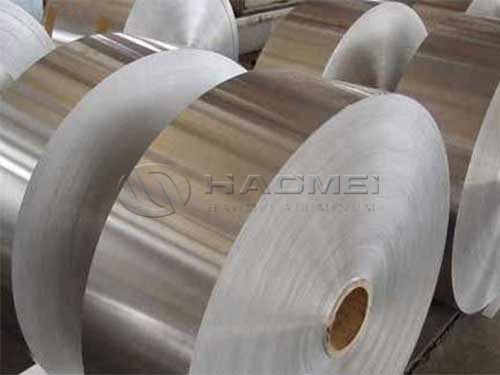
Common Product Parameters for Channel Letter Strip
| Item | Typical supply condition for channel letter use |
|---|---|
| Alloy | 3003, 3005, 5052 |
| Temper | O, H12, H14, H16, H18, H24, H26, H32, H34, depending on alloy and forming need |
| Thickness | 0.40 mm to 1.20 mm, with 0.60 mm, 0.80 mm, and 1.00 mm widely used |
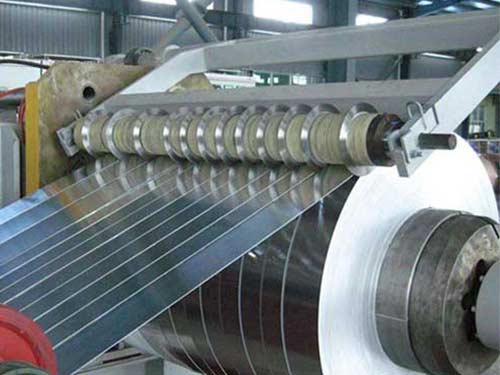
| Width | 20 mm to 200 mm, common return heights include 40 mm, 60 mm, 80 mm, 100 mm, 120 mm |
| Coil ID | 300 mm, 405 mm, 500 mm, or 508 mm by equipment requirement |
| Surface | Mill finish, brushed, anodized, PE painted, PVDF painted, color coated with protective film |
| Edge condition | Slit edge, deburred edge, round edge on request |
| Flatness | Controlled wave and camber for automatic letter bending machines |
| Packaging | Eye-to-wall or eye-to-sky coil packing, moisture barrier, wooden pallet or case |
Thickness and width should be selected together. A tall return made from very thin strip may flutter or deform during installation. A narrow return made from thick strip may resist tight curves and increase tool wear. For automatic channel letter benders, consistent thickness tolerance and smooth slit edges are as important as alloy selection.
Temper Selection in Plain Shop Language
Temper describes how hard or soft the strip is after rolling and heat treatment. In channel letter work, temper affects bending force, corner neatness, dent resistance, and springback.
| Alloy | Recommended tempers | Fabrication character |
|---|---|---|
| 3003 | O, H12, H14, H24 | O is soft for tight curves; H14 and H24 provide a balanced return body for common signs |
| 3005 | H14, H16, H24, H26 | Good for pre-painted strip where coating quality and shape holding are both needed |
| 5052 | O, H32, H34, H36 | Stronger and more corrosion resistant; H32 and H34 suit durable outdoor signs |
For small letters with tight arcs, softer tempers reduce cracking and corner stress. For large letters, tall returns, or signs exposed to wind, harder tempers help the sidewall stay straight. 5052 should be tested with actual bending equipment because its magnesium content gives it more elastic recovery than 3003 or 3005.
Chemical Composition Reference
The chemistry of these alloys explains their behavior. Manganese improves strength and forming stability in 3003 and 3005. Magnesium gives 5052 its stronger corrosion resistance and higher mechanical performance.
| Alloy | Si | Fe | Cu | Mn | Mg | Cr | Zn | Ti | Al |
|---|---|---|---|---|---|---|---|---|---|
| 3003 | ≤0.60 | ≤0.70 | 0.05-0.20 | 1.00-1.50 | - | - | ≤0.10 | - | Remainder |
| 3005 | ≤0.60 | ≤0.70 | ≤0.30 | 1.00-1.50 | 0.20-0.60 | ≤0.10 | ≤0.25 | ≤0.10 | Remainder |
| 5052 | ≤0.25 | ≤0.40 | ≤0.10 | ≤0.10 | 2.20-2.80 | 0.15-0.35 | ≤0.10 | - | Remainder |
Values are typical ranges based on common international alloy designations. Final acceptance should follow the purchase standard, mill certificate, and agreed tolerance requirements.
Standards and Test Conditions
Channel letter aluminum strip is commonly supplied according to ASTM B209/B209M, EN 485, GB/T 3880, or JIS H4000. For coated strip, buyers may also specify coating adhesion, gloss, color difference, pencil hardness, T-bend performance, and salt spray testing. Common coating-related references include ASTM D3359 for adhesion, ASTM D523 for gloss, ASTM D3363 for pencil hardness, and ASTM B117 for salt spray exposure.
Dimensional control should cover thickness tolerance, width tolerance, camber, burr height, coil telescoping, and surface defects. For sign production, even a small burr can scratch painted faces or interfere with trim cap assembly. A stable coil also matters because automatic benders dislike sudden tension changes.
Surface and Coating Choices
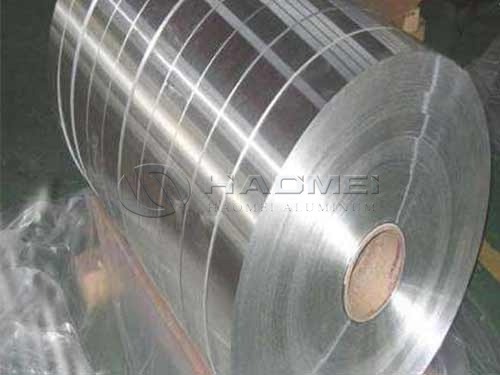
Mill finish strip is often chosen when the sign maker will paint after fabrication. Pre-painted strip saves labor and gives a cleaner production rhythm, especially for standard colors such as black, white, red, blue, gold, and brushed metallic effects. PE coating is commonly used for general outdoor signs, while PVDF coating is preferred for higher weather resistance and stronger color retention.
For coastal signs, 5052 with a high-quality coating system is a sensible choice. For retail interiors and city storefronts, 3003 or 3005 painted strip often gives the best balance of appearance and processing efficiency. Protective film can be added to reduce scratches during bending, assembly, and transport.
Practical Selection Tips for Buyers
If the letter design includes many tight curves, test 3003-O, 3003-H12, or 3005-H14 first. If the project requires painted strip with steady color and good forming behavior, 3005-H24 or H26 is often suitable. If the sign will face salt air, heavy rain, or industrial pollution, 5052-H32 or H34 can extend service life.
Ask for sample coils before large orders, especially when using automated bending equipment. Check whether the strip feeds smoothly, bends without coating cracks, holds return height, and matches the target face material. Also confirm coil weight, inner diameter, packing style, and whether the surface needs film protection.
The right 3003, 3005, or 5052 aluminum strip helps a channel letter keep its shape, color, and clean edge long after installation. Good material does not draw attention to itself; it simply lets the sign glow exactly as designed.