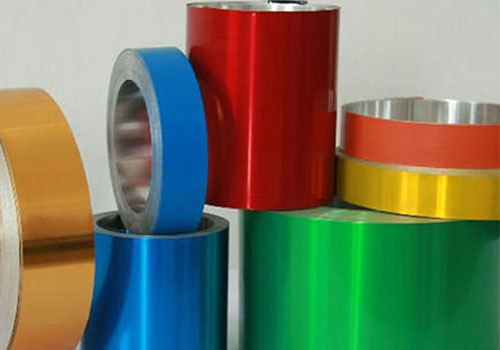
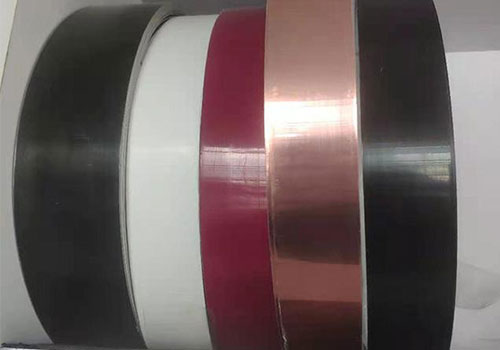
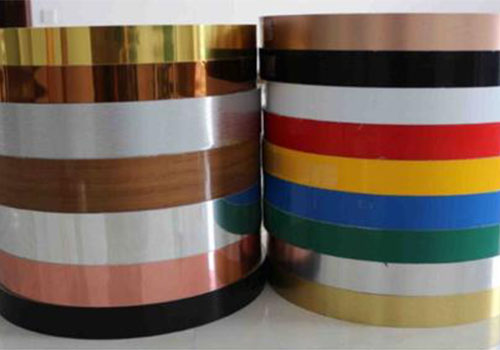
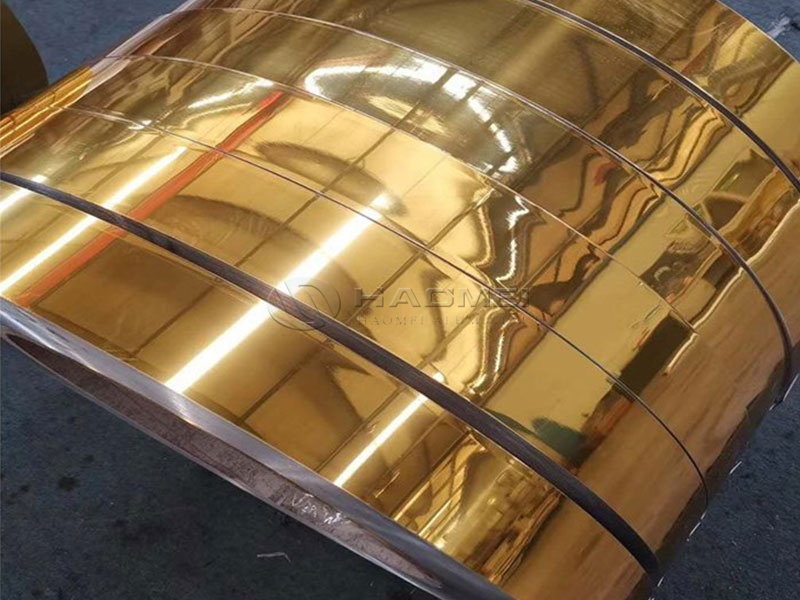
1060 1070 H16 Color Coated Painted Aluminum Coil Strip
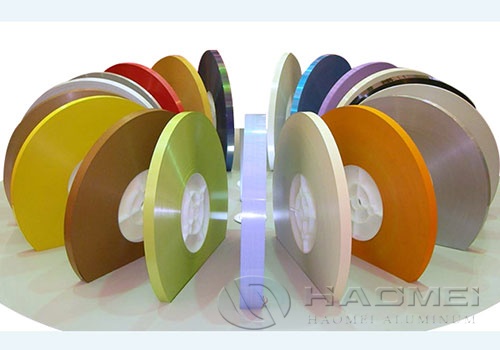
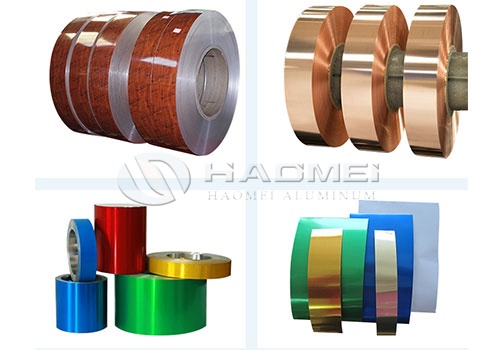
1060 1070 H16 color coated painted aluminum coil strip is designed for projects that need a clean surface, reliable forming behavior, and consistent color performance. Built on high-purity 1xxx series aluminum, it combines low density, good corrosion resistance, excellent thermal conductivity, and a smooth painted finish. The H16 temper gives the strip stronger handling stability than soft temper material while still allowing bending, slitting, stamping, and roll forming.
This material is widely used in decorative trim, channel letters, ceiling systems, insulation jacketing, electrical components, nameplates, lamp housings, blinds, and lightweight interior panels. For buyers who need a balance of appearance and processability, 1060 and 1070 H16 painted strip offer a practical solution with predictable performance.
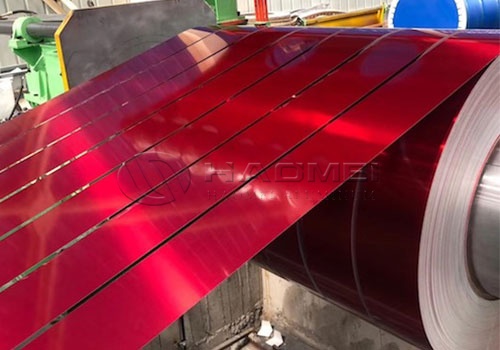
Product Character and Material Advantage
1060 and 1070 aluminum are both high-purity grades. The difference lies mainly in aluminum content: 1060 contains at least 99.60% aluminum, while 1070 contains at least 99.70%. This higher purity gives 1070 slightly better electrical and thermal conductivity, while 1060 is often selected for general decorative and forming applications because of its availability and cost efficiency.
The H16 temper is produced by strain hardening. It provides higher strength than annealed strip and better flatness control during coil processing. In painted strip production, this temper helps reduce edge waviness, handling marks, and deformation during slitting or fabrication.
| Item | 1060 H16 Painted Strip | 1070 H16 Painted Strip |
|---|---|---|
| Aluminum purity | ≥ 99.60% | ≥ 99.70% |
| Temper character | Strain hardened, three-quarter hard | Strain hardened, three-quarter hard |
| Forming ability | Good | Good |
| Conductivity | High | Higher |
| Corrosion resistance | Excellent in normal environments | Excellent in normal environments |
| Common selection reason | Decorative forming and cost balance | Conductive parts and premium purity demand |
Chemical Composition
The high aluminum content is the foundation of the material's clean surface, corrosion resistance, and stable processing behavior. Chemical composition may be adjusted within international standards according to customer requirements.
| Alloy | Al | Si | Fe | Cu | Mn | Mg | Zn | Ti | Other Each | Other Total |
|---|---|---|---|---|---|---|---|---|---|---|
| 1060 | ≥ 99.60 | ≤ 0.25 | ≤ 0.35 | ≤ 0.05 | ≤ 0.03 | ≤ 0.03 | ≤ 0.05 | ≤ 0.03 | ≤ 0.03 | ≤ 0.10 |
| 1070 | ≥ 99.70 | ≤ 0.20 | ≤ 0.25 | ≤ 0.04 | ≤ 0.03 | ≤ 0.03 | ≤ 0.04 | ≤ 0.03 | ≤ 0.03 | ≤ 0.10 |
Mechanical Performance
H16 temper offers a useful combination of rigidity and workability. It is firm enough for coil handling and narrow strip slitting, yet still suitable for many bending and profiling processes. Actual properties vary by thickness, coating system, and production standard.
| Alloy Temper | Tensile Strength | Yield Strength | Elongation | Hardness Reference | Processing Suitability |
|---|---|---|---|---|---|
| 1060 H16 | 85-120 MPa | ≥ 65 MPa | 2-5% | Approx. 28-38 HB | Slitting, bending, stamping, roll forming |
| 1070 H16 | 80-115 MPa | ≥ 60 MPa | 3-6% | Approx. 26-36 HB | Conductive parts, trim, labels, light forming |
For tight radius bending, the paint type, coating thickness, aluminum thickness, and bend direction should be checked together. A pre-production bending test is recommended for visible decorative components.
Technical Specifications
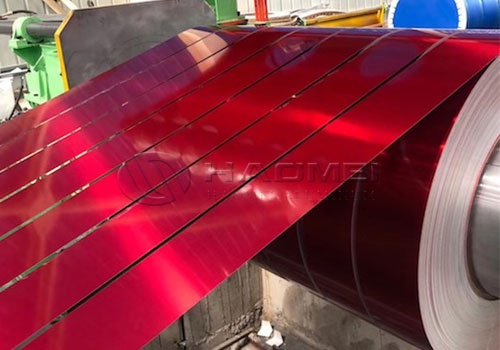
The strip can be supplied in multiple coil widths, coating colors, gloss levels, and protective film options. Tight dimensional control supports downstream processes such as high-speed punching, continuous forming, channel letter production, and automated assembly.
| Parameter | Typical Range or Option |
|---|---|
| Alloy | 1060, 1070 |
| Temper | H16 |
| Thickness | 0.20-3.00 mm, custom tolerance available |
| Width | 20-1600 mm after slitting |
| Coil inner diameter | 150 mm, 300 mm, 405 mm, 505 mm, 508 mm |
| Coil weight | According to width, thickness, and handling needs |
| Surface finish | Smooth, matte, high gloss, embossed on request |
| Coating type | PE, HDPE, PVDF, epoxy, acrylic according to end use |
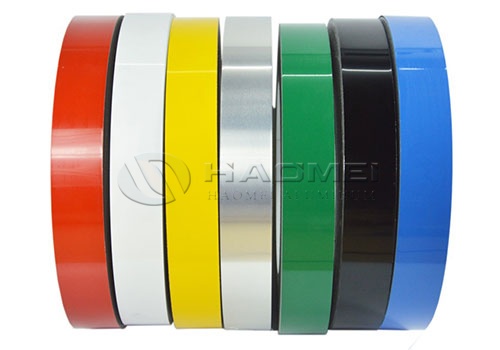
| Color system | RAL, Pantone, custom sample matching |
| Protective film | Optional, clear or printed film |
| Packaging | Eye-to-wall or eye-to-sky export wooden pallet |
For customers comparing coating options, PE Coated Aluminum Strip is often preferred for indoor decoration and economical exterior uses, while fluorocarbon systems are better suited to harsh outdoor exposure.
Coating System and Surface Quality
A color coated aluminum strip is more than a painted surface. Proper pretreatment, primer control, curing temperature, and topcoat uniformity determine whether the strip can resist cracking, fading, peeling, and staining during service.
| Coating Item | Common Value | Benefit to Customer |
|---|---|---|
| Paint thickness | 15-30 μm single side, custom available | Good coverage and color depth |
| Primer thickness | 5-8 μm | Improved adhesion and corrosion resistance |
| Gloss | 10-90 GU | Supports matte, satin, and bright designs |
| Pencil hardness | ≥ HB | Better scratch resistance during handling |
| T-bend | 1T-3T typical | Suitable for forming and profiling |
| Color difference | ΔE controlled by agreement | Consistent appearance batch to batch |
| Salt spray resistance | 500-1000 h depending coating | Longer service life in corrosive atmospheres |
| Adhesion | Cross-cut grade 0-1 | Reduced risk of peeling after fabrication |
A well-controlled coating line gives the strip stable color across the coil length and width. This is important for applications where multiple coils are installed together, such as ceiling panels, trim strips, and advertising frames.
Main Features for Fabrication
The painted surface reduces the need for post-painting after forming, helping customers save labor, drying space, and environmental treatment costs. Because aluminum is lightweight, finished components are easier to transport and install than steel alternatives.
| Feature | Practical Value |
|---|---|
| High-purity base metal | Clean appearance, strong corrosion resistance, good conductivity |
| H16 temper | Better stiffness and coil handling than soft temper strip |
| Painted finish | Ready-to-use color surface, reduced secondary finishing |
| Light weight | Easier installation and lower structural load |
| Good slit edge quality | Suitable for narrow strip and automated feeding |
| Recyclability | Supports lower material waste and circular production |
Compared with bare aluminum, painted strip provides better decorative effect and surface protection. Compared with coated steel, it offers lower weight and naturally better corrosion resistance when edge exposure is a concern.
Application Fields
1060 1070 H16 color coated painted aluminum coil strip is used wherever a combination of appearance, light weight, and workability is required. The material performs especially well in non-load-bearing decorative and functional parts.
| Application | Recommended Reason |
|---|---|
| Channel letters and sign edges | Easy bending, vivid color, light structure |
| Ceiling strips and interior trim | Clean surface, stable flatness, corrosion resistance |
| Roller blinds and curtain accessories | Lightweight, smooth coating, consistent color |
| Nameplates and labels | Good stamping behavior and attractive finish |
| Insulation jacketing | Corrosion resistance and easy wrapping |
| Lighting reflectors and housings | Light weight, formability, heat dissipation support |
| Electrical components | High conductivity, especially with 1070 alloy |
| Appliance decoration | Smooth coating, repeatable forming, modern appearance |
For projects requiring a broad range of colors and slit widths, Color Coated Aluminum Strip offers flexible matching for architectural, advertising, and industrial fabrication work.
Selection Guidance
Choose 1060 H16 when the application emphasizes decorative forming, general corrosion resistance, economical purchasing, and stable coil processing. It is a common choice for trim, signage, blinds, and interior systems.
Choose 1070 H16 when higher aluminum purity is required, especially for products where electrical conductivity, thermal conductivity, or premium purity is valued. It is suitable for certain electrical parts, heat transfer components, and high-quality decorative strips.
Paint selection should follow the service environment. PE coating is suitable for indoor and mild outdoor use. PVDF coating is preferred for longer outdoor exposure, strong sunlight, industrial atmosphere, or coastal conditions. Epoxy or special functional coatings may be selected for bonding, insulation, or specific industrial use.
Quality Control Points
Reliable supply depends on both aluminum substrate control and coating control. Important inspection items include alloy verification, thickness tolerance, width tolerance, surface cleanliness, color consistency, coating adhesion, curing degree, gloss, hardness, and packing protection.
| Inspection Point | Purpose |
|---|---|
| Chemical analysis | Confirms alloy grade and purity |
| Thickness and width measurement | Ensures fit for slitting, forming, and assembly |
| Surface inspection | Prevents stains, scratches, pinholes, and coating defects |
| Adhesion test | Confirms coating bond after bending or punching |
| Color and gloss test | Maintains visual consistency for exposed parts |
| Packaging inspection | Reduces transit damage and moisture risk |
Commercial Value
1060 1070 H16 color coated painted aluminum coil strip helps manufacturers improve production efficiency because the surface is already finished before fabrication. It supports continuous processing, reduces painting waste, shortens delivery cycles, and provides a clean, repeatable appearance for finished products.
With the right alloy, temper, coating type, and tolerance plan, this material delivers a strong balance of cost, appearance, corrosion resistance, and fabrication reliability. It is a dependable choice for customers producing lightweight decorative and functional components at scale.