Pre-Painted Aluminum Coil for Aluminum Strip
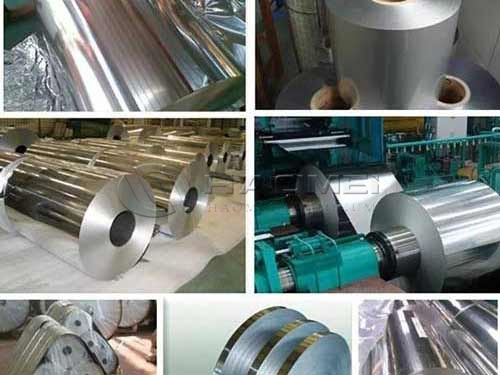
Pre-painted aluminum coil for aluminum strip combines a lightweight aluminum substrate with a factory-applied organic coating system. The material arrives ready for slitting, roll forming, stamping, bending, and assembly, reducing downstream painting work while delivering a clean, consistent decorative surface.
Its value comes from the balance of corrosion resistance, color stability, formability, and process efficiency. Rather than coating fabricated parts individually, manufacturers can process coil stock into finished components with fewer handling stages, faster production cycles, and more repeatable visual results.
Product Characteristics
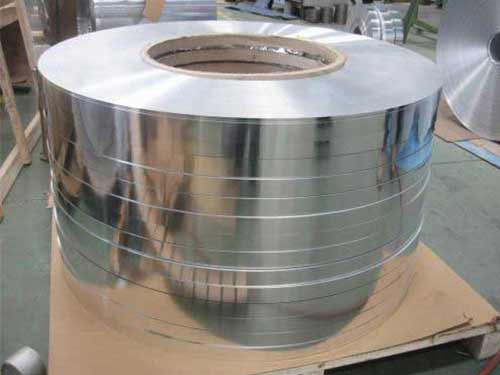
Pre-painted aluminum strip is produced from carefully selected aluminum coil, chemically pretreated, primed, top-coated, oven cured, and rewound under controlled tension. The coating is bonded before the material is slit into narrow strip widths, helping ensure uniform paint appearance across long production runs.
| Characteristic | Customer Value |
|---|---|
| Low density | Reduces component weight and simplifies handling during fabrication and installation |
| Factory-cured coating | Provides stable gloss, color consistency, and dependable adhesion |
| Corrosion resistance | Aluminum naturally forms a protective oxide film, while the coating adds a further barrier |
| Formability | Suitable for bending, roll forming, profiling, and moderate stamping when the proper temper is selected |
| Decorative versatility | Available in solid colors, metallic finishes, matte textures, high-gloss surfaces, wood grain, and custom patterns |
| Efficient processing | Removes or reduces the need for post-fabrication liquid painting and drying operations |
| Recyclability | Aluminum substrate remains highly recyclable at the end of service life |
The coating system can be tailored to indoor, general outdoor, coastal, industrial, food-contact-adjacent, or high-appearance applications. Selection should consider UV exposure, humidity, salt spray, forming severity, service temperature, cleaning chemicals, and expected product life.
Alloy Substrates and Chemical Composition
The substrate alloy determines strength, corrosion behavior, and forming response. Commercially pure 1xxx alloys are often selected where excellent drawability and conductivity are important, while 3xxx and 5xxx alloys offer higher strength and improved durability for demanding architectural or transport-related applications.
| Alloy | Si | Fe | Cu | Mn | Mg | Zn | Al | Typical Use |
|---|---|---|---|---|---|---|---|---|
| 1050 | ≤0.25 | ≤0.40 | ≤0.05 | ≤0.05 | ≤0.05 | ≤0.05 | Balance | Decorative trim, lighting, general forming |
| 1060 | ≤0.25 | ≤0.35 | ≤0.05 | ≤0.03 | ≤0.03 | ≤0.05 | Balance | Flexible strip, insulation cladding, channels |
| 3003 | ≤0.60 | ≤0.70 | ≤0.20 | 1.0-1.5 | ≤0.05 | ≤0.10 | Balance | Roofing trim, panels, appliance components |
| 3105 | ≤0.60 | ≤0.70 | ≤0.30 | 0.30-0.80 | 0.20-0.80 | ≤0.40 | Balance | Building sheet, fascia, rainwater systems |
| 5052 | ≤0.25 | ≤0.40 | ≤0.10 | ≤0.10 | 2.2-2.8 | ≤0.10 | Balance | Moisture-prone and higher-strength formed parts |
Composition values are typical alloy limits and may be adjusted to applicable EN, ASTM, JIS, or customer-specific requirements. For architectural painted strip, 3003 Aluminum Strip is a practical choice where moderate strength, good corrosion resistance, and economical forming performance are required. For wet or saline environments, 5052 Aluminum Strip provides a higher-magnesium alternative.
Coating Construction and Surface Performance
A pre-painted coil usually includes several functional layers. Surface cleaning removes rolling oil and contaminants. Chemical pretreatment improves coating adhesion and supports corrosion resistance. A primer adds bonding strength and flexibility. The topcoat provides color, gloss, weathering protection, and surface character. A back coat may be applied where the reverse side needs additional protection or a finished appearance.
| Coating System | Typical Dry Film Thickness | Suitable Environment | Performance Focus |
|---|---|---|---|
| Polyester, PE | 15-25 μm topcoat | Interior and moderate outdoor exposure | Economical color finish and good workability |
| Silicon-modified polyester, SMP | 20-30 μm topcoat | General exterior construction | Improved weathering and heat resistance |
| PVDF | 25-35 μm topcoat | Intense sunlight, architectural façades, coastal zones | Superior UV retention, chalking resistance, long-term appearance |
| High-durability polyurethane | 20-35 μm topcoat | Premium appliances, transport, exterior trim | Strong abrasion resistance and rich visual finish |
| Epoxy or polyester back coat | 5-12 μm | Reverse-side protection | Handling protection and improved corrosion barrier |
| Surface Test | Typical Requirement | Practical Meaning |
|---|---|---|
| Pencil hardness | H to 3H, coating dependent | Resistance to routine scratching and handling marks |
| T-bend flexibility | 0T to 3T, coating and temper dependent | Ability to bend without coating cracking |
| Adhesion | No significant coating removal after cross-hatch test | Coating remains securely bonded to the aluminum |
| Impact resistance | 30-50 kg·cm, typical | Better resistance to dents and sudden contact |
| Gloss range | 10-90 GU at 60° | Supports matte, satin, and bright decorative finishes |
| Salt spray resistance | 500-1,000+ hours, system dependent | Indicates coating barrier performance in corrosive testing |
Actual test values depend on alloy, temper, pretreatment, coating chemistry, film thickness, and test standard. Coating performance should be confirmed against the final service environment rather than selected from appearance alone.
Technical Specifications
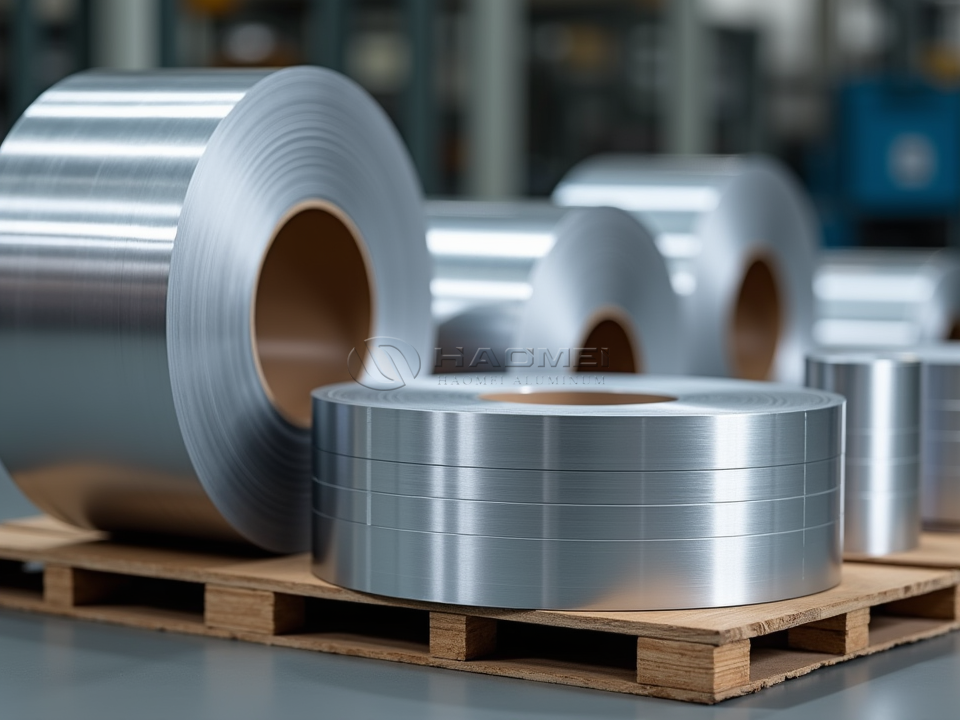
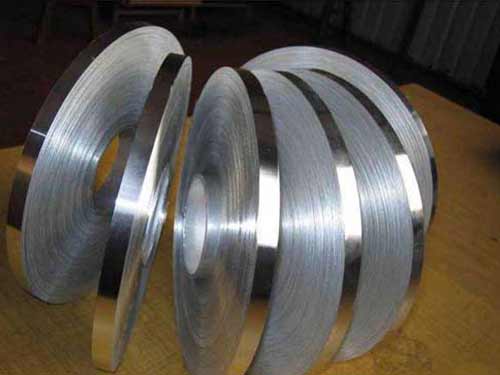
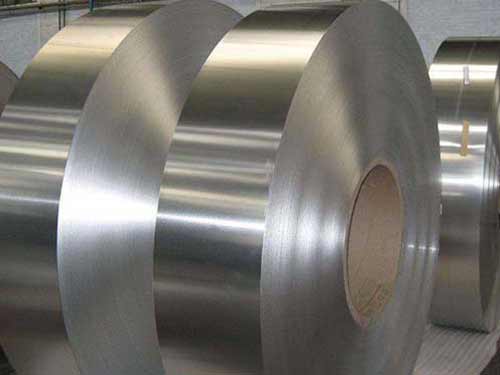
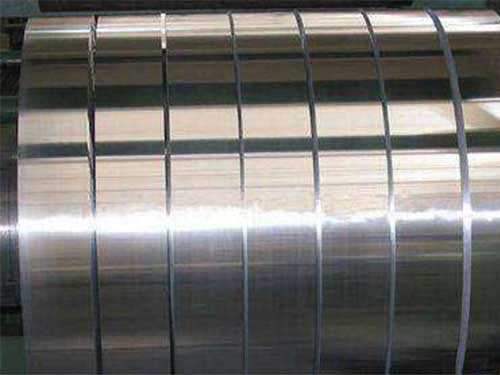
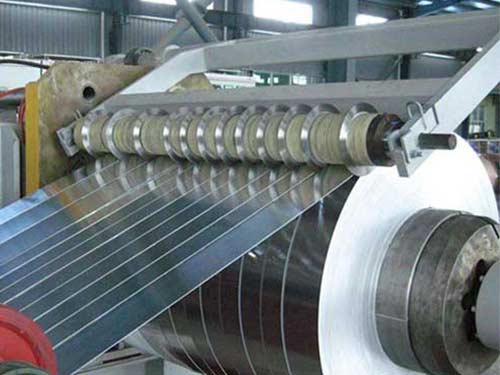
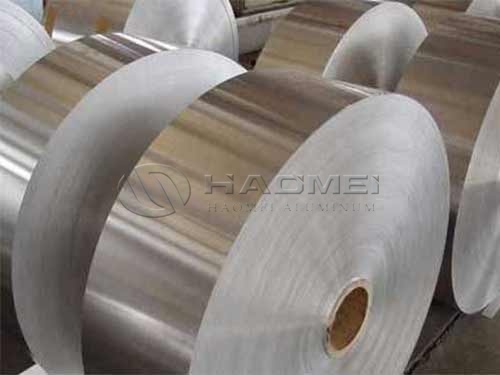
Pre-painted aluminum coil can be supplied as wide parent coil or slit aluminum strip. Precision slitting is especially useful for customers producing roll-formed profiles, edge trims, shutter blades, cable wraps, ceiling grids, packaging closures, and appliance details.
| Parameter | Common Supply Range | Notes |
|---|---|---|
| Aluminum thickness | 0.20-1.50 mm | Heavier gauges available for special projects |
| Strip width | 10-1,600 mm | Narrow widths available through slitting |
| Width tolerance | ±0.10 to ±0.50 mm | Depends on width, gauge, and slitting requirement |
| Thickness tolerance | ±0.01 to ±0.05 mm | Controlled according to alloy and order specification |
| Coil inner diameter | 150 mm, 300 mm, 405 mm, 508 mm | Selected for customer equipment compatibility |
| Coil outer diameter | Up to approximately 1,800 mm | Limited by coil weight and shipping conditions |
| Coil weight | 0.5-8.0 tonnes | Smaller coils available for narrow-strip processing |
| Temper | O, H14, H16, H18, H24, H26, H32 | Chosen according to forming and strength needs |
| Color matching | RAL, Pantone reference, customer sample | Final approval can be based on coated sample panel |
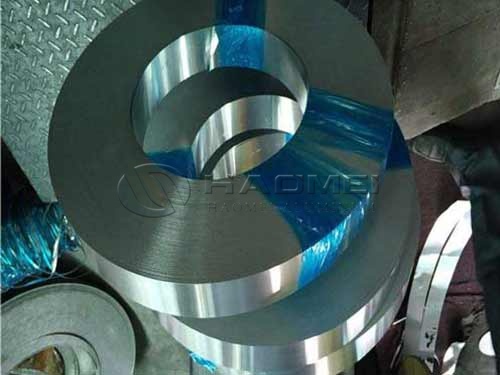
| Protective film | Optional | Helps prevent surface abrasion during fabrication |
Applications Across Fabrication Industries
Pre-painted aluminum strip serves products where visual appeal and weather resistance must coexist with efficient coil-based manufacturing. Its low weight can reduce transportation loads, while its finished surface helps shorten production routes.
| Application Area | Typical Components | Preferred Product Features |
|---|---|---|
| Building envelopes | Roofing trim, wall panels, fascia, soffit, gutters | Exterior durability, color retention, corrosion resistance |
| Interior construction | Ceiling systems, partition trim, decorative channels | Clean finish, low maintenance, wide color choice |
| Appliances | Refrigerator panels, cooker hoods, cabinet trims | Scratch resistance, smooth forming, stable appearance |
| Transportation | Caravan cladding, trailer trim, interior panels | Light weight, vibration resistance, durable coating |
| Signage and displays | Sign frames, retail fixtures, exhibition profiles | Flatness, color consistency, easy fabrication |
| HVAC and insulation | Duct wraps, protective jackets, equipment trim | Moisture resistance and practical roll forming |
| Consumer products | Lighting reflectors, furniture edging, storage products | Decorative finish and repeatable small-part production |
Processing Advantages and Handling Guidance
The coil should be processed with clean, smooth tooling to preserve the painted surface. Roll-forming radii, punch clearance, bend direction, and protective film selection should match the alloy temper and coating flexibility. Tight bends are best evaluated through production trials, particularly with metallic, textured, high-gloss, or thicker PVDF finishes.
Store coils indoors in a dry, ventilated environment. Avoid direct contact with moisture, alkaline materials, fresh cement, strong acids, and dissimilar metals that may create galvanic conditions. When coils are moved from cold storage into warm humid air, allow them to acclimatize before opening the packaging to reduce condensation risk.
Pre-painted aluminum coil for aluminum strip gives fabricators a practical route to durable, attractive, ready-to-process metal. With the proper alloy, temper, coating system, and dimensional control, it supports long-lasting performance from narrow decorative trims to exposed architectural profiles.