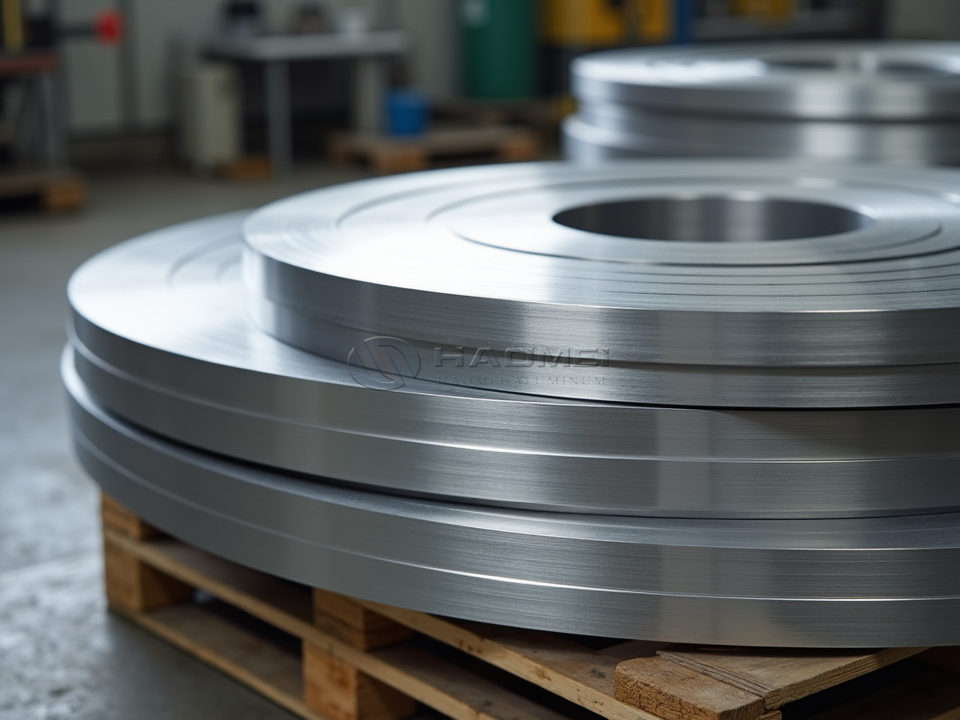
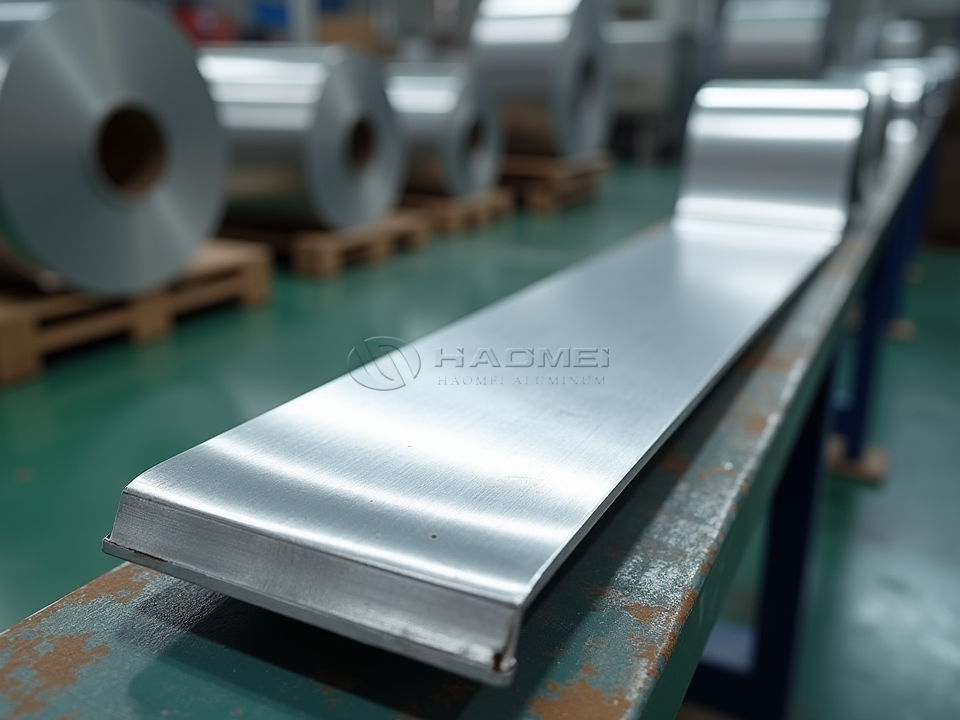
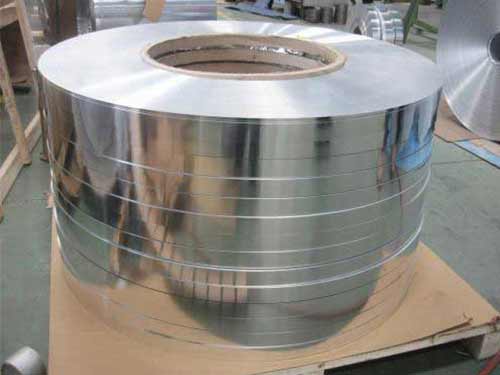
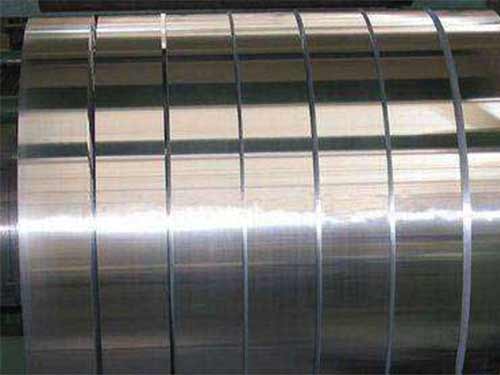
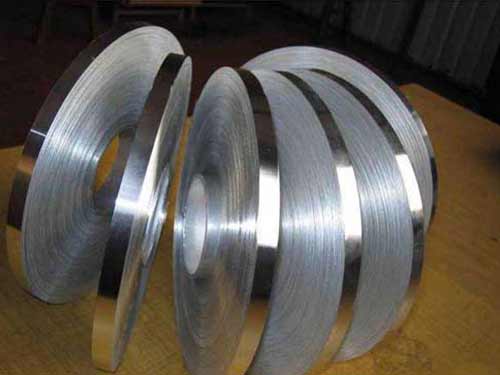
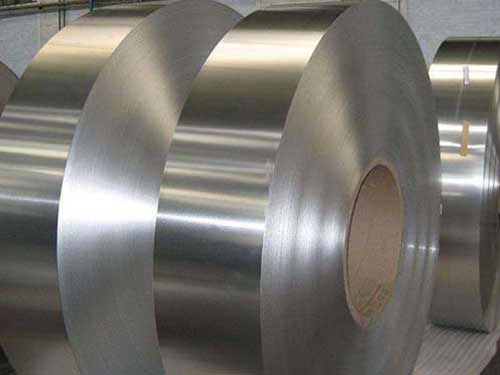
3nn 4mm 5mm Aluminum Strip Pane
A 3nn 4mm 5mm aluminum strip pane is more than a thick aluminum coil cut to width. It is a functional material designed to become a rigid, corrosion-resistant, and workable part of a larger system. Depending on the fabrication method, it may be bent into architectural trims, stamped into protective covers, formed into transport components, assembled into machinery guards, or processed into decorative metal panels.
In purchasing language, the term "pane" may refer to a flat panel blank, a slit strip intended for panel fabrication, or a formed aluminum facing component. The designation "3nn" should be confirmed before production, as it may indicate a customer-specific thickness notation or a possible reference to 3 mm material. Clear confirmation of thickness, width, alloy, temper, surface condition, and edge quality prevents mismatch during fabrication.
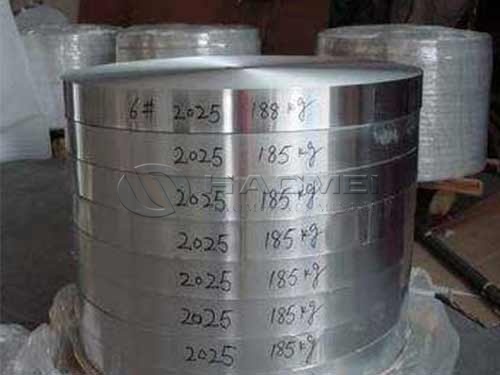
Why 3mm, 4mm, and 5mm Thicknesses Matter
The practical value of medium-thickness aluminum strip lies in its balance between stiffness and processability. Thin strip is easy to bend but may oil-can, dent, or vibrate in service. Heavy plate is stable but can increase weight, machining time, and forming difficulty. Material in the 3 mm to 5 mm range often occupies the productive middle ground.
A 3 mm aluminum strip pane is commonly selected when bending, punching, or moderate weight reduction matters. It is suitable for equipment cladding, access panels, enclosure parts, lighting housings, and decorative profiles.
A 4 mm aluminum strip pane provides stronger resistance to deflection. It is often used for industrial covers, fabricated brackets, vehicle body elements, curtain wall support parts, and machine frames that require a more substantial feel without moving into plate-heavy construction.
A 5 mm aluminum strip pane is intended for higher rigidity, more durable impact resistance, and structural-style fabrication. Typical uses include transportation flooring details, protective guards, marine fittings, electrical cabinet components, mounting bases, and robust architectural panel systems.
Thickness alone does not determine performance. A 3 mm 5052-H32 strip can resist corrosion and repeated service stresses better than a softer commercial-purity alloy of the same thickness. Conversely, a 3 mm 1050-O strip may be the better choice where deep bending or complex forming takes priority over strength.
Functional View: The Strip as a Working Interface
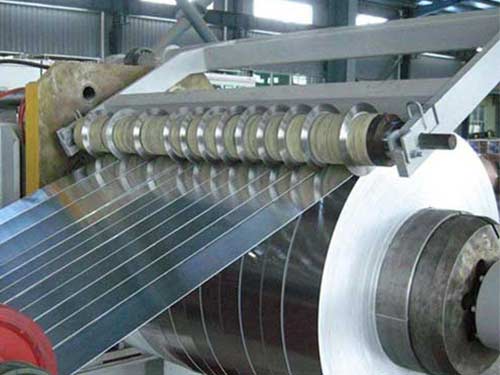
Rather than viewing aluminum strip pane material only as a flat product, it is more useful to see it as an interface between design and fabrication. It must perform during slitting, handling, bending, welding, fastening, coating, and final installation.
For bending operations, temper controls whether the strip forms smoothly or cracks along the outside radius. For welded panels, alloy chemistry affects heat-affected-zone strength and corrosion behavior. For painted or anodized parts, surface cleanliness and rolling consistency influence coating adhesion and visual uniformity. For precision assemblies, thickness tolerance and burr control determine whether parts align correctly.
This makes alloy selection a production decision, not simply a metal grade decision. A broad range of Alloy Aluminum Strip options can be matched to the actual duty of the finished pane rather than selected only by nominal thickness.
Common Alloy and Temper Choices
Commercial-purity 1050 and 1060 alloys offer excellent electrical and thermal conductivity, good corrosion resistance, and very high formability. They are suitable for decorative skins, reflectors, general fabrication, heat-transfer parts, and applications requiring soft bending. For projects requiring a clean surface and easy processing, 1050 / 1060 Aluminum Strip is frequently specified in O, H14, H18, or H24 tempers.
3003 aluminum contains manganese, giving it improved strength compared with 1xxx series aluminum while retaining good formability. It is widely used for building panels, equipment shells, insulation jacketing, storage components, and stamped parts. H14, H24, and H26 are common options for 3 mm to 5 mm strip panes.
5052 aluminum contains magnesium and is valued for strong corrosion resistance, especially in humid, coastal, or chemically exposed environments. It is suitable for marine components, transport panels, fuel-related housings, appliance parts, and durable outdoor assemblies. H32 and H34 tempers are common where a combination of strength and bendability is required.
6061 aluminum is heat-treatable and offers higher mechanical strength. It can serve in load-bearing fabricated panels, structural supports, and machined components. However, it is less forgiving in tight bends than softer 1xxx or 3xxx alloys, especially in T6 temper.
Typical Product Parameters
| Parameter | Common Requirement for Aluminum Strip Pane |
|---|---|
| Thickness | 3 mm, 4 mm, 5 mm, or customer-confirmed 3nn specification |
| Width | Commonly 20 mm to 1,600 mm, subject to mill capability |
| Coil or sheet form | Slit coil, cut-to-length sheet, blank, or customized panel strip |
| Alloys | 1050, 1060, 1100, 3003, 3105, 5052, 5754, 6061 |
| Tempers | O, H12, H14, H16, H18, H22, H24, H32, H34, T4, T6 |
| Surface | Mill finish, brushed, polished, embossed, coated, anodized-ready |
| Edge condition | Mill edge, slit edge, deburred edge, rounded edge on request |
| Thickness tolerance | Determined by alloy, width, standard, and order agreement |
| Packaging | Moisture-resistant paper, protective film, wooden pallet or export crate |
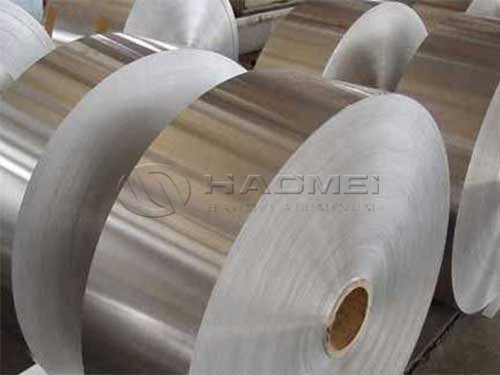
Chemical Properties by Alloy Family
The chemistry of an aluminum strip pane explains why different grades behave differently under pressure, heat, moisture, and forming stress. Values shown are typical maximum or nominal composition ranges in percent by weight. Exact limits should follow the ordered standard and mill certificate.
| Alloy | Si | Fe | Cu | Mn | Mg | Cr | Zn | Al |
|---|---|---|---|---|---|---|---|---|
| 1050 | 0.25 | 0.40 | 0.05 | 0.05 | 0.05 | - | 0.05 | 99.50 min |
| 1060 | 0.25 | 0.35 | 0.05 | 0.03 | 0.03 | - | 0.05 | 99.60 min |
| 3003 | 0.60 | 0.70 | 0.05-0.20 | 1.0-1.5 | - | - | 0.10 | Balance |
| 5052 | 0.25 | 0.40 | 0.10 | 0.10 | 2.2-2.8 | 0.15-0.35 | 0.10 | Balance |
| 6061 | 0.40-0.80 | 0.70 | 0.15-0.40 | 0.15 | 0.80-1.20 | 0.04-0.35 | 0.25 | Balance |
Standards and Quality Controls
3 mm, 4 mm, and 5 mm aluminum strip pane products are commonly supplied in accordance with ASTM B209, EN 485, EN 573, GB/T 3880, or customer-specific technical agreements. These standards address dimensions, chemical composition, mechanical properties, tolerances, and inspection requirements.
For fabricated panel applications, buyers should define flatness expectations, thickness tolerance, coil set allowance, surface marks, edge burr limits, and protective-film requirements. If the strip will be anodized, powder coated, or painted, the requested surface should be free from heavy rolling oil, deep scratches, oxide streaks, and handling damage.
A practical order specification might state: 5052-H32 aluminum strip, 4 mm thickness, 300 mm width, slit edge, mill finish, ASTM B209 compliance, protective film on one side, suitable for CNC bending and outdoor panel fabrication. This level of detail connects the metal directly to the finished product.
Applications That Benefit from Medium-Thick Strip
3nn 4mm 5mm aluminum strip pane material supports a wide range of functional designs. In architecture, it becomes facade trims, balcony components, soffit parts, rain-screen support elements, and decorative panel blanks. In transport, it is used for truck bodies, trailer fittings, bus interior parts, rail equipment covers, and marine enclosures. In industry, it serves as machine guards, control cabinet skins, access doors, protective covers, and fabricated brackets.
For outdoor or wet-service use, 5052 and 5754 are strong candidates because their magnesium-based compositions provide reliable corrosion resistance. For general formed panels and economical fabrication, 3003 offers a dependable balance of strength and workability. For highly formable or conductive parts, 1050 and 1060 remain practical choices.
The right aluminum strip pane is therefore defined by what it must do after delivery. Thickness provides the body, alloy supplies the behavior, temper directs the forming response, and standards create consistency from coil to finished panel.