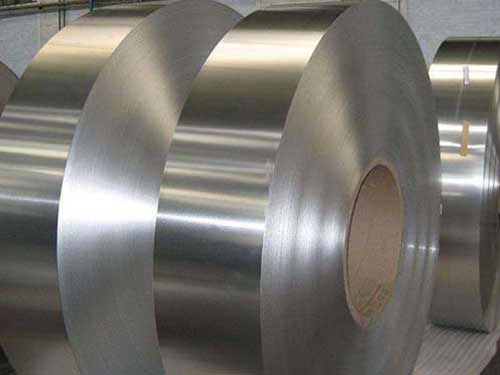
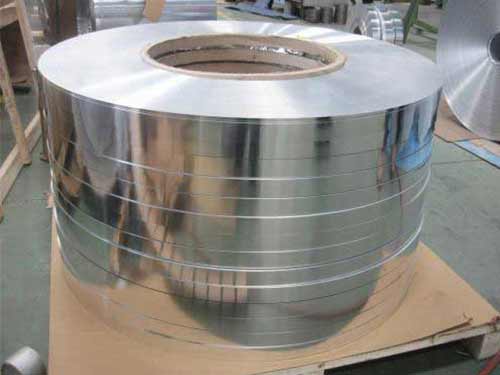
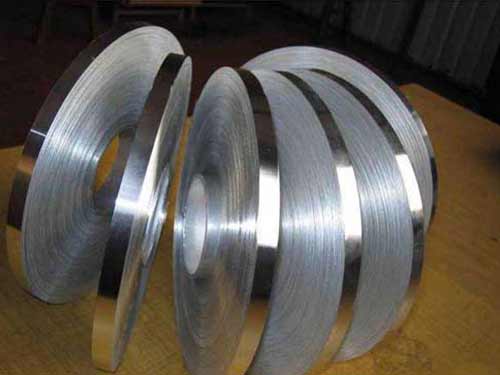
Easy-Tearing Aluminum Foil Strip Packs for Capsules
Capsule packaging has a demanding job: it must preserve the medicine through transport, storage, and daily handling, yet open smoothly when the patient needs a dose. Easy-tearing aluminum foil strip packs are designed around this balance. They combine barrier performance with controlled opening behavior, creating a compact package that protects capsules from moisture, oxygen, light, odor transfer, and external contamination.
Unlike ordinary household foil, pharmaceutical strip-pack foil is not selected only for thickness. Its alloy composition, temper, rolling quality, pinhole control, surface cleanliness, coating compatibility, and heat-seal response all influence the final user experience. A strip pack that tears too easily may open during transport. One that is too strong can frustrate elderly users or damage the capsule during opening. The best material performs quietly: secure in the carton, predictable in the hand.
Why Easy Tearing Is a Packaging Engineering Issue
In capsule strip packaging, aluminum foil is commonly laminated or coated with a heat-seal layer and sealed around individual dosage units. The opening force does not depend on foil alone. It is created by the relationship between the foil substrate, sealant, sealing temperature, dwell time, pressure, pack geometry, and the intended tear path.
A practical easy-tear design uses controlled seal strength rather than weak foil. The foil must remain sufficiently ductile to tolerate unwinding, printing, coating, slitting, and high-speed sealing. At the same time, the sealed edge should separate in a clean and repeatable manner. Good packs produce a visible opening line without uncontrolled delamination, sharp fragments, or powder contamination.
For this reason, soft-temper aluminum foil, especially 8011-O, is widely used in pharmaceutical strip-pack structures. Its combination of formability, corrosion resistance, surface stability, and processing consistency makes it suitable for capsule strips, sachet-style medicine packs, and laminated healthcare packaging.
Recommended Aluminum Foil Strip Parameters
The appropriate specification depends on capsule size, machine design, laminate structure, sealing medium, and moisture barrier target. The ranges shown here are common purchasing references and should be confirmed through line trials.
| Property | Typical Requirement for Capsule Strip Packs |
|---|---|
| Base alloy | 8011, 8079, or 1235 aluminum alloy |
| Common temper | O, H18, or H19 depending on laminate design |
| Preferred soft foil temper | 8011-O or 8079-O |
| Foil thickness | 0.045 mm to 0.080 mm |
| Common thickness | 0.050 mm, 0.060 mm, 0.070 mm |
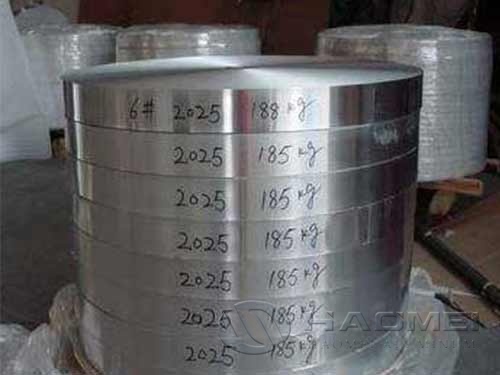
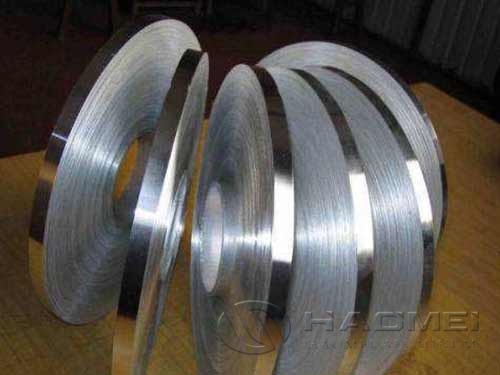
| Strip width | 20 mm to 1,250 mm, customized for converting lines |
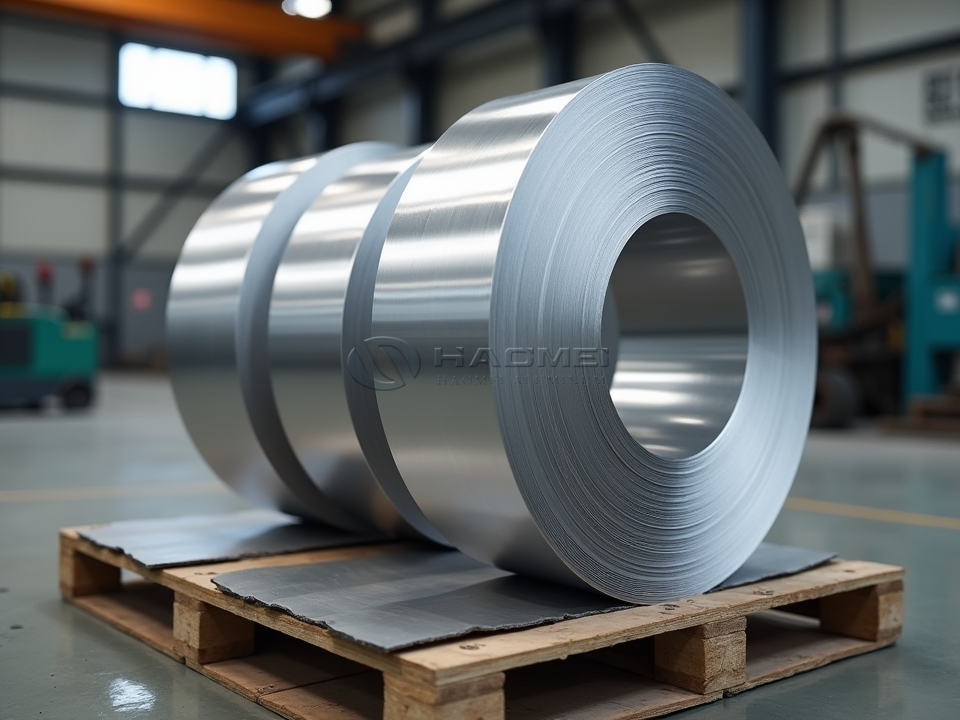
| Coil inner diameter | 150 mm, 300 mm, 505 mm, or as agreed |
| Surface condition | Clean, oil-controlled, flat, free from corrosion and edge damage |
| Pinholes | Controlled according to foil thickness and customer inspection method |
| Surface treatment | Plain, printed, lacquered, primer-coated, or heat-seal coated |
| Seal strength target | Typically agreed through pack validation, often 2 N/15 mm to 6 N/15 mm |
Thickness should never be chosen by barrier requirements alone. A thicker foil can improve stiffness and reduce pinhole risk, but it may need revised heat-sealing conditions. A thinner foil can reduce material consumption and improve flex performance, although it requires tighter rolling and pinhole control. For moisture-sensitive capsules, the complete laminate barrier should be assessed rather than the foil gauge in isolation.
Alloy and Temper Selection
The choice of alloy affects how the foil behaves during rolling, coating, laminating, embossing, and sealing. 8011 Aluminum Strip is often the preferred substrate for pharmaceutical foil because it offers stable processing performance and a refined surface after rolling.
The O temper is fully annealed and relatively soft. It is suitable where clean folding, wrapping, and flexible sealing behavior are needed. O temper also reduces the chance of cracking at folded areas or formed pack edges. H18 and H19 tempers are harder and may be selected for applications requiring higher stiffness, though they are less forgiving in deep folding and may not suit every strip-pack structure.
8079 foil can be selected when high elongation and demanding conversion performance are required. 1235 foil is also used in flexible packaging, particularly where a high-purity aluminum base is preferred. Material selection should consider the full packaging system, including adhesive, ink, lacquer, PVC or PE film, and capsule formulation.
Chemical Composition of Common Foil Alloys
Chemical composition affects corrosion resistance, grain structure, rolling behavior, and mechanical response. Values are expressed as mass percentage, with aluminum making up the balance.
| Alloy | Si + Fe | Cu | Mn | Mg | Zn | Ti | Other Elements | Al |
|---|---|---|---|---|---|---|---|---|
| 8011 | 0.50-0.90 | ≤0.10 | ≤0.20 | ≤0.05 | ≤0.10 | ≤0.08 | ≤0.05 each, ≤0.15 total | Remainder |
| 8079 | 0.75-1.30 Fe, 0.05-0.30 Si | ≤0.05 | ≤0.10 | ≤0.05 | ≤0.10 | ≤0.05 | ≤0.05 each, ≤0.15 total | Remainder |
| 1235 | Si + Fe ≤0.65 | ≤0.05 | ≤0.05 | ≤0.05 | ≤0.10 | ≤0.06 | ≤0.05 each, ≤0.15 total | ≥99.35 |
For pharmaceutical use, chemical composition alone is not a release criterion. Foil must also meet agreed limits for surface oil, wetting tension, pinholes, coating adhesion, odor, heavy-metal-related compliance, and contamination control. The material certificate should identify alloy, temper, thickness, width, coil data, and inspection results for each batch.
Standards and Quality Conditions
Aluminum foil strip can be produced in accordance with standards such as GB/T 3190 for chemical composition, GB/T 3198 for aluminum and aluminum-alloy foil, EN 546 for aluminum foil requirements, and ASTM B479 for annealed aluminum and aluminum-alloy foil. Final dimensional tolerances and surface criteria should be written into the purchase specification because strip-pack converters may have more restrictive machine requirements than general foil standards.
For pharmaceutical primary packaging operations, ISO 15378 provides a useful quality-management framework. Packaging materials intended for regulated markets may also require compliance evidence for relevant food-contact or pharmaceutical-contact regulations, such as EU Framework Regulation EC No. 1935/2004 or applicable FDA requirements. Adhesives, inks, primers, and heat-seal coatings must be evaluated as part of the final packaging structure.
A reliable material approval process normally includes visual inspection, dimensional checks, tensile testing where applicable, coating-weight verification, seal-strength trials, and migration or extractables assessment when required. The final package should be validated with actual capsules, since powder traces, shell composition, storage humidity, and capsule shape can change opening behavior.
Converting Details That Protect Easy-Open Performance
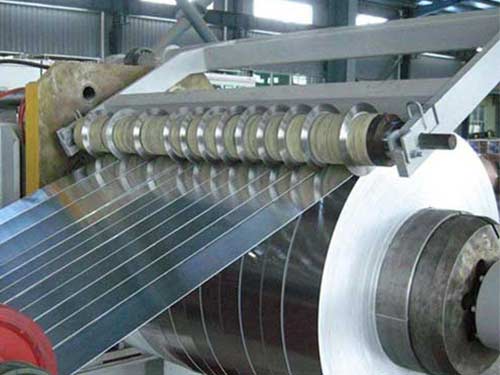
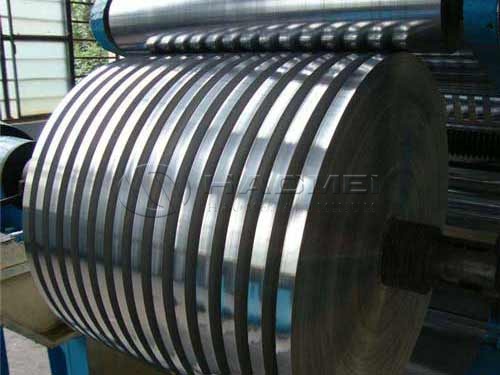
Slitting quality is frequently underestimated. Burrs, telescoped coils, loose winding, edge waves, or inconsistent width can interrupt high-speed packaging and create uneven seals. A clean slit edge supports stable tracking through the packaging machine and reduces the risk of foil tearing outside the intended opening zone.
Surface treatment is equally important. The printable side may receive a primer or protective lacquer for branding, batch codes, dosage instructions, and anti-counterfeiting features. The sealing side requires a compatible heat-seal lacquer or laminated polymer layer. This layer must adhere strongly to the aluminum while separating from its mating surface at the designed opening force.
For broader material selection in converting projects, Alloy Aluminum Strip options can be matched to required hardness, width, corrosion resistance, and downstream coating conditions.
A Better Definition of Easy Tear
Easy tear does not mean fragile. It means predictable opening after the package has survived production, sterilized handling where applicable, distribution vibration, temperature changes, and shelf storage. The foil should preserve a continuous barrier until the moment of use, then release with a controlled pull and a clean edge.
When alloy, temper, thickness, coating system, and sealing conditions are specified together, aluminum foil strip packs become more than a protective wrapper. They become a dependable part of the patient experience: hygienic, compact, informative, and simple to open without compromising the capsule inside.