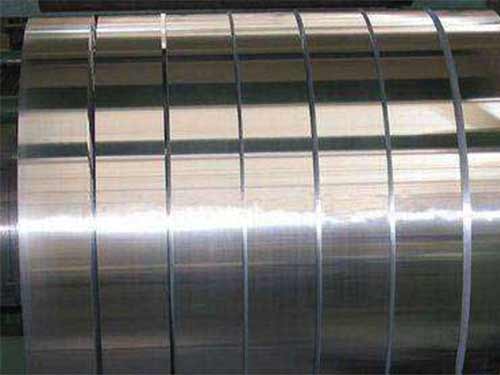
Aluminum Strips 8011 for PP Caps
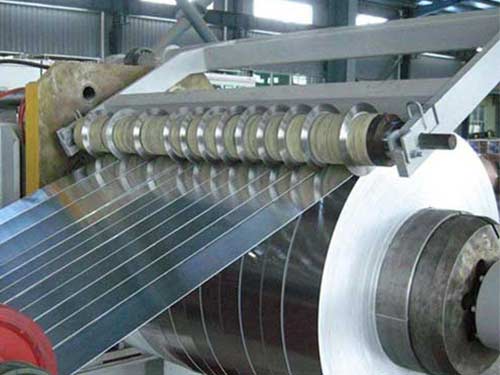
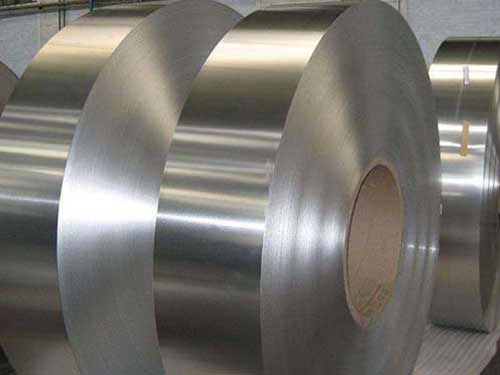
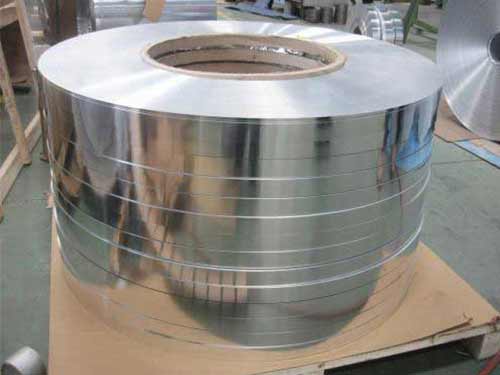
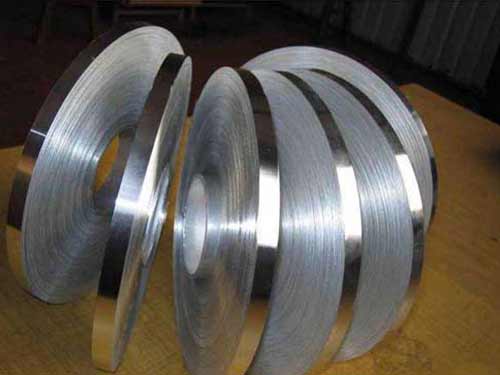
Aluminum Strips 8011 for PP Caps are precision-rolled materials used to create decorative, protective, and functional outer shells for polypropylene closures. In beverage, pharmaceutical, cosmetic, food, and household-product packaging, a PP cap may require an aluminum band or shell to improve appearance, provide tamper evidence, support printing, and strengthen the closure structure.
8011 aluminum alloy is widely selected for this purpose because it combines good corrosion resistance, stable mechanical behavior, smooth processing performance, and economical production. Supplied in narrow slit coils, the strip can pass efficiently through stamping, rolling, curling, embossing, and printing lines.
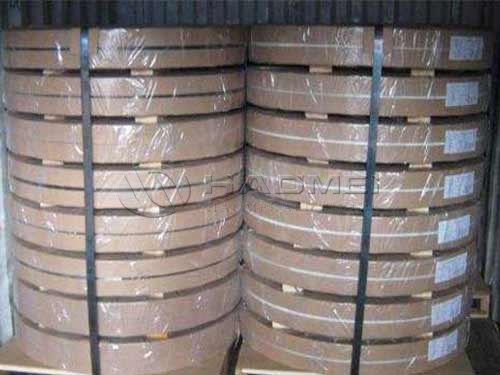
Functions in PP Cap Production
The aluminum strip is normally formed around or attached to a PP closure body. It creates a metallic exterior while the polypropylene component provides the main thread and sealing structure. This material pairing gives brand owners flexibility in both function and visual design.
| Function | Contribution of 8011 Aluminum Strip |
|---|---|
| Decorative shell | Produces a premium metallic finish for beverage, cosmetic, and personal-care closures. |
| Tamper-evident band | Can be designed to tear, bridge, or separate visibly after first opening. |
| Printing substrate | Accepts lacquer, color coating, logos, text, and embossed branding. |
| Surface protection | Helps protect the PP cap from scuffing during transport and repeated handling. |
| Forming material | Supports curling, necking, stamping, and edge shaping with low cracking risk. |
| Barrier support | Adds a metallic external layer that improves light shielding and packaging presence. |
Compared with harder alloys, 8011 is easier to form into detailed cap profiles. Its clean surface and uniform thickness help reduce defects such as wrinkles, pinholes, uneven rolling marks, and poor print adhesion. For customers seeking a dedicated closure-grade material, 8011 Aluminum Strip can be tailored to cap geometry and production equipment.
Typical Applications
8011 strips for PP caps serve markets where packaging must look refined while remaining practical for high-speed manufacturing. The material can be plain mill finish, chemically treated, lacquered, color coated, printed, or embossed according to the final packaging concept.
| Packaging Segment | Typical PP Cap Use |
|---|---|
| Wine and spirits | Decorative capsule-style cap shells and tamper-evident closure bands |
| Mineral water and soft drinks | Branded outer cap bands and premium closure decoration |
| Pharmaceuticals | Bottle caps requiring clean surfaces, traceability printing, and controlled forming |
| Cosmetics | Perfume, lotion, serum, and skin-care cap covers with bright or matte finishes |
| Food products | Caps for sauces, edible oils, condiments, and specialty jars |
| Household chemicals | Closure covers for cleaning liquids, detergents, and aerosol-related packaging |
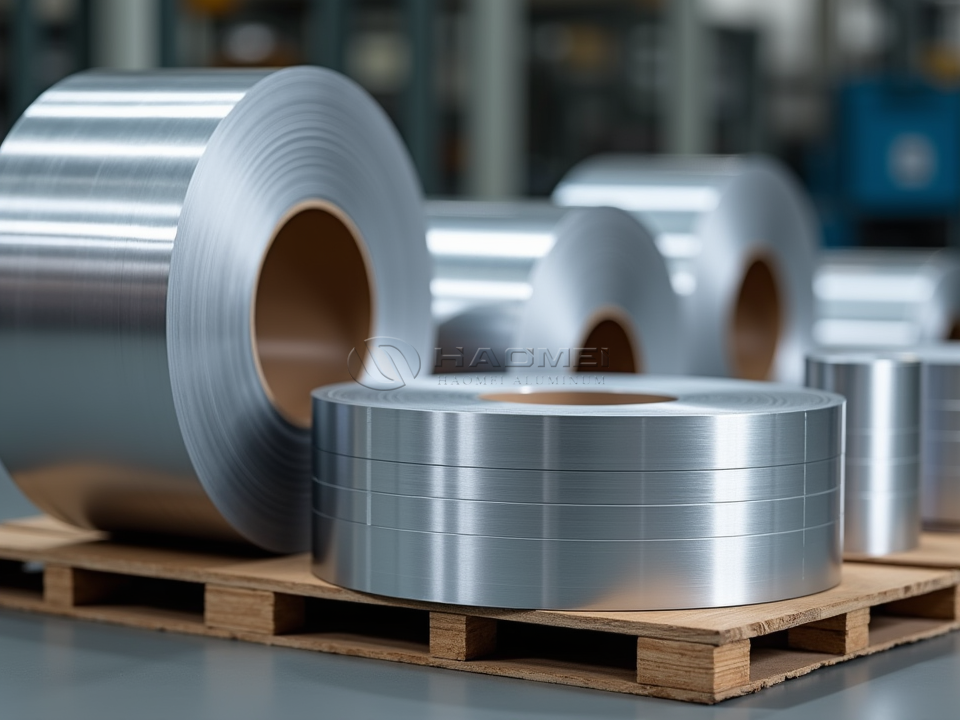
Chemical Composition of 8011 Alloy
8011 belongs to the aluminum-iron-silicon alloy family. Iron and silicon are the principal alloying elements. Their controlled presence improves strength while retaining the ductility needed for closure forming. Actual chemistry should be confirmed through the mill test certificate for each order.
| Element | Content, % by Weight |
|---|---|
| Silicon, Si | 0.50 - 0.90 |
| Iron, Fe | 0.60 - 1.00 |
| Copper, Cu | 0.10 max |
| Manganese, Mn | 0.20 max |
| Magnesium, Mg | 0.05 max |
| Zinc, Zn | 0.10 max |
| Titanium, Ti | 0.08 max |
| Other elements, each | 0.05 max |
| Other elements, total | 0.15 max |
| Aluminum, Al | Balance |
This composition supports a fine, consistent structure after rolling and annealing. For PP cap processors, this means reliable deformation around the cap body, cleaner edges after punching, and improved consistency from the first coil to the last.
Available Tempers and Mechanical Characteristics
Temper selection depends on the cap design, wall profile, decoration method, and forming severity. Soft tempers are commonly preferred where deep drawing, curling, or complex shaping is required. H14 may be chosen when higher rigidity is needed for less demanding forming operations.
| Temper | Condition | Typical Tensile Strength, MPa | Typical Elongation | Suitable Processing |
|---|---|---|---|---|
| O | Fully annealed, soft | 85 - 115 | 20% min | Deep drawing, curling, embossing, complex shell forming |
| H14 | Half-hard strain hardened | 125 - 155 | 4% min | Light stamping, flat decorative bands, moderate forming |
| H16 | Three-quarter hard | 145 - 175 | 2% min | Applications needing increased stiffness and limited deformation |
Mechanical data vary with thickness, width, testing direction, and applicable standard. O temper remains a popular option for PP cap shells because it accommodates shape changes without excessive springback.
Technical Specifications
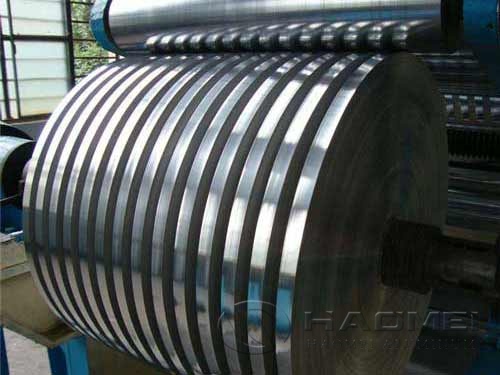
Precision slitting is essential because cap-making lines depend on stable strip width and clean coil edges. Burr control is especially important for coated materials and closures handled by consumers. The following ranges represent common supply capabilities; customized dimensions can be produced when technically feasible.
| Parameter | Common Range or Requirement |
|---|---|
| Alloy | AA 8011 |
| Temper | O, H14, H16 |
| Thickness | 0.15 - 0.50 mm |
| Common thickness for PP caps | 0.20 - 0.35 mm |
| Width | 10 - 1,250 mm |
| Narrow slit width | Produced to customer drawing and cap-line requirements |
| Width tolerance | Typically ±0.10 mm or as agreed |
| Thickness tolerance | According to ordered gauge and governing standard |
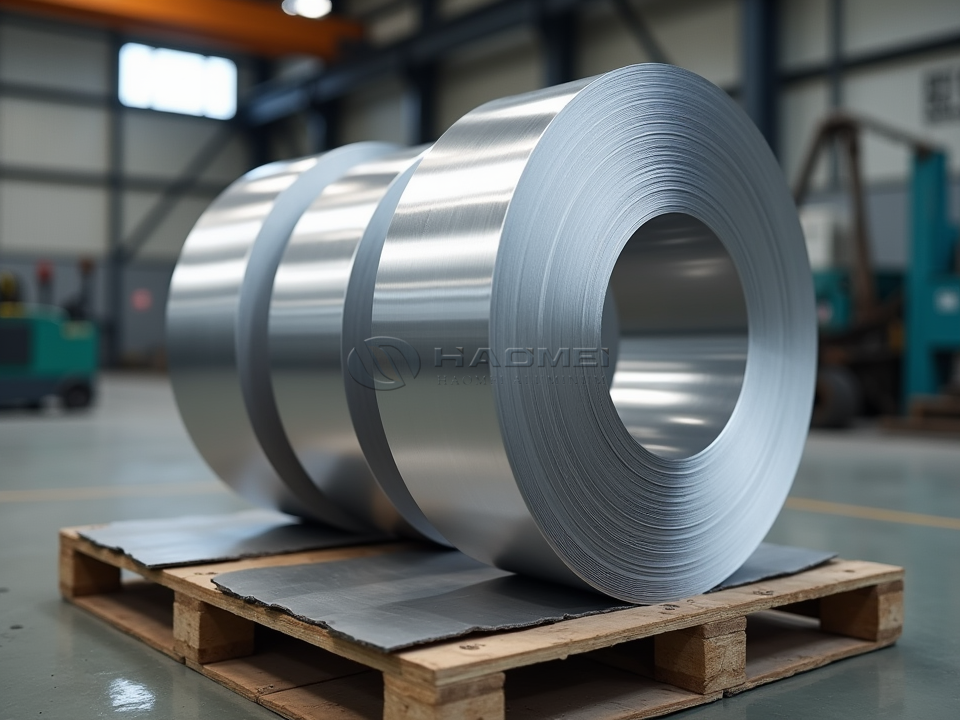
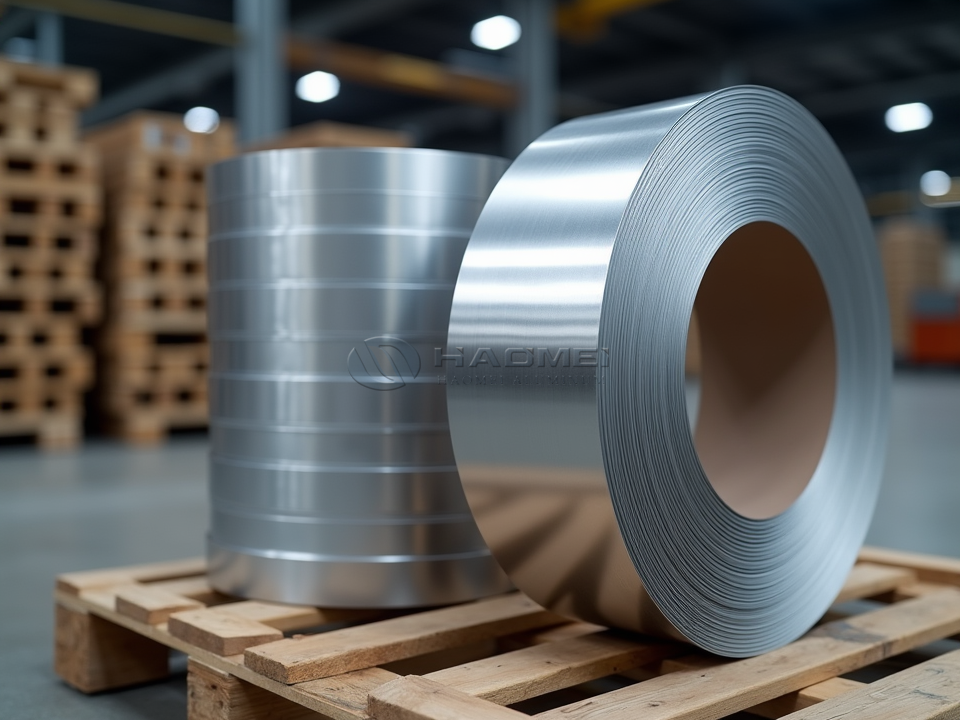
| Coil inner diameter | 150 mm, 300 mm, 405 mm, 505 mm, or customized |
| Coil outer diameter | Subject to coil weight, equipment limits, and shipping method |
| Coil weight | Usually 100 - 3,000 kg |
| Surface | Mill finish, bright finish, coated, lacquered, printed, embossed |
| Edge condition | Slit edge, deburred edge, or customer-specified edge treatment |
Standards and Quality Control
8011 aluminum strip for PP caps can be manufactured in accordance with internationally recognized aluminum flat-rolled product standards. The selected standard should be stated in the purchase specification, especially for regulated pharmaceutical or food-contact packaging.
| Standard | Scope |
|---|---|
| ASTM B209 | Aluminum and aluminum-alloy sheet and plate requirements, often referenced for chemical and dimensional control |
| EN 485 | Tolerances, mechanical properties, and technical delivery conditions for aluminum sheet, strip, and plate |
| EN 573 | Aluminum alloy designation and chemical composition requirements |
| GB/T 3880 | Chinese standard for aluminum and aluminum-alloy sheets and strips |
| RoHS / REACH | Chemical compliance requirements when requested for export or regulated markets |
Routine inspection typically covers alloy composition, thickness, width, coil winding, edge quality, surface cleanliness, mechanical properties, and visual defects. For coated stock, additional checks may include coating weight, curing quality, color consistency, adhesion, gloss, and resistance to forming.
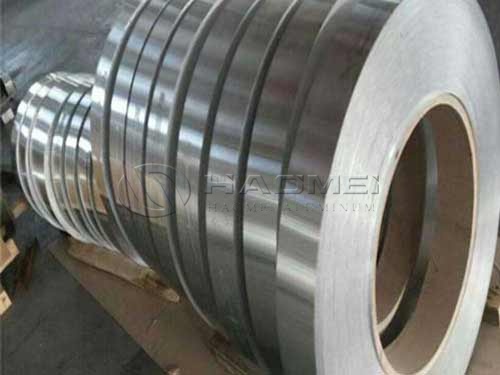
Surface Treatment and Processing Notes
For a premium cap finish, 8011 strip can receive clear lacquer, colored coating, protective film, lithographic printing, or embossing before or after forming. Coatings should be selected to match the end-use environment, such as alcohol exposure, cosmetic ingredients, humidity, or abrasion during distribution.
| Processing Stage | Recommended Material Consideration |
|---|---|
| Slitting | Tight width control and low burr reduce stoppages and edge defects |
| Stamping | O temper supports complex profiles and reduces crack formation |
| Curling | Smooth edges and adequate elongation help create uniform rolled rims |
| Printing | Clean, conversion-treated surfaces improve ink anchoring |
| Lacquering | Coating flexibility should match the forming depth of the cap shell |
| Assembly with PP cap | Dimensional consistency supports stable fit and appearance |
Aluminum Strips 8011 for PP Caps provide an efficient route to attractive, durable, and process-friendly packaging closures. With suitable temper, precise dimensions, controlled chemistry, and the right surface finish, the strip becomes a dependable component for modern PP cap manufacturing.