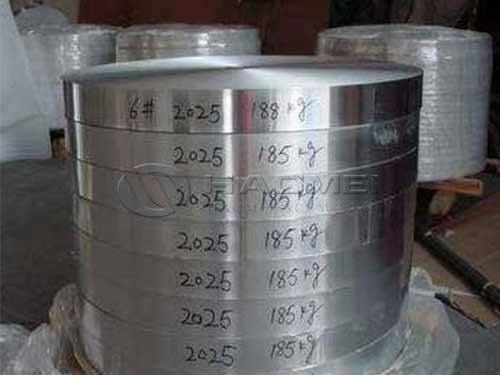
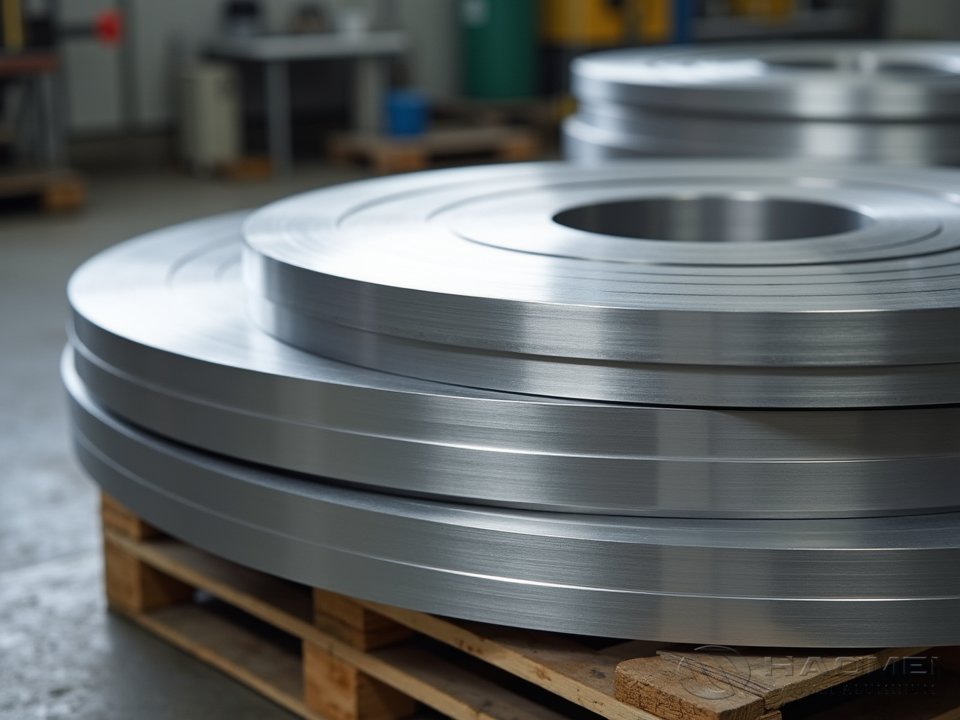
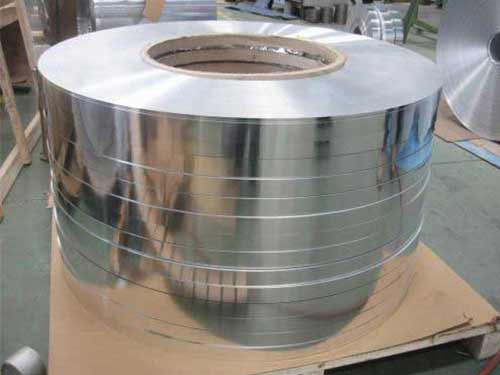
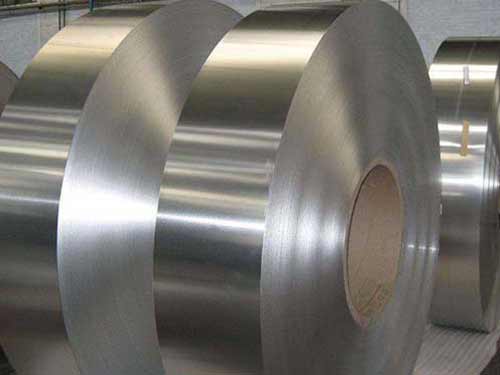
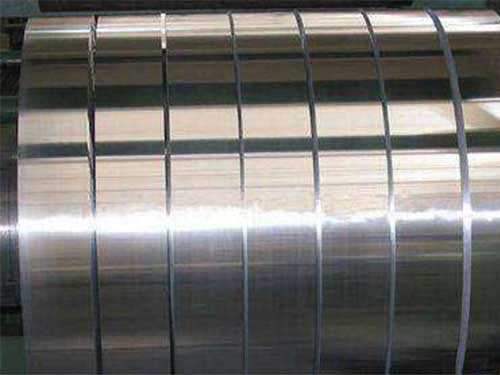
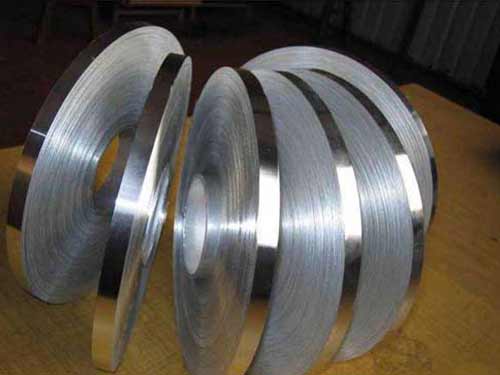
5052 5083 T6 H112 T351 Aluminum Strip
When customers search for 5052 5083 T6 H112 T351 Aluminum Strip, they are often not looking for a single ordinary coil. They are trying to match a material behavior with a manufacturing task: bending without cracking, resisting salt spray, carrying load with low weight, or feeding a stamping line with stable width and surface quality. The best way to understand this product is to view it as a strip-shaped engineering material, where alloy, temper, thickness, surface, and standard all decide how it performs after cutting, forming, welding, or assembly.
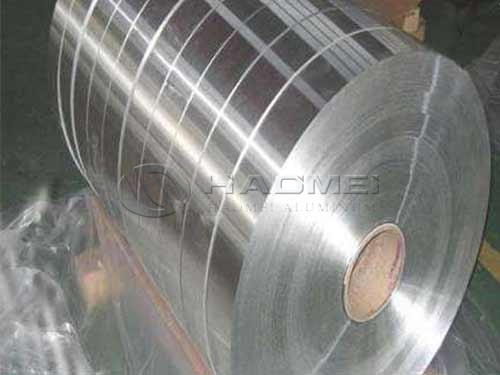
5052 and 5083 belong to the aluminum-magnesium 5xxx series. Their strength comes mainly from magnesium solid-solution strengthening and work hardening, not heat treatment. This is an important technical point: H112 is a practical temper for 5052 and 5083, while T6 and T351 are normally associated with heat-treatable alloys such as 6061, 2024, or 7075. In real purchasing language, the phrase 5052 5083 T6 H112 T351 Aluminum Strip may combine several requirements in one search. A reliable specification should confirm whether the order is for 5052-H112, 5083-H112, or another alloy supplied in T6 or T351.
Function Comes From Alloy Character
5052 aluminum strip is valued for balanced corrosion resistance, medium strength, excellent formability, and good fatigue performance. It is widely used when parts need to be bent, stamped, rolled, or formed repeatedly. For customers comparing materials, 5052 Aluminum Strip is often selected for marine fittings, vehicle components, cabinets, nameplates, electronic housings, and precision formed parts.
5083 aluminum strip contains higher magnesium than 5052 and is known for stronger marine corrosion resistance and higher mechanical strength. It is often chosen for shipbuilding parts, pressure vessels, transport equipment, LNG-related structures, welded assemblies, and environments where seawater exposure is a serious concern. Compared with 5052, 5083 is tougher and stronger, though it is usually less suited to tight-radius forming.
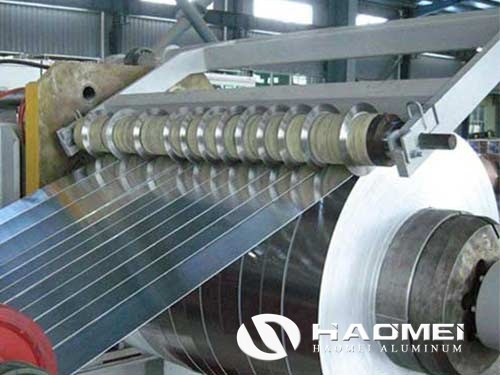
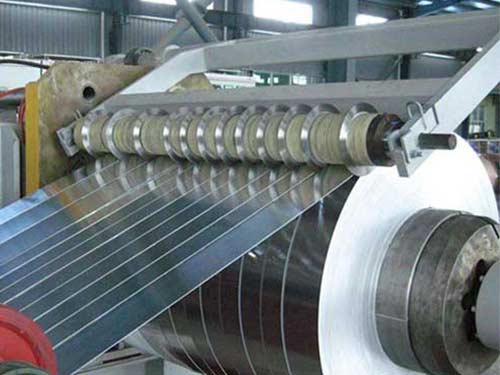
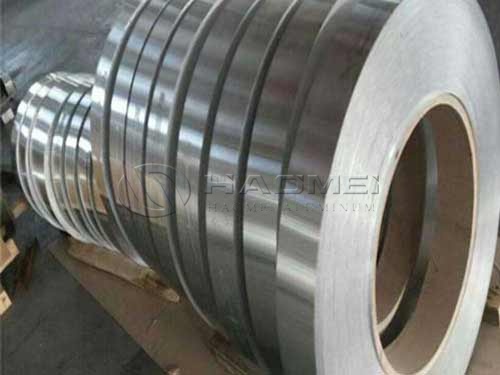
The strip format adds another layer of value. A coil can be slit to exact width, fed continuously into automated equipment, and used with lower scrap than sheet cutting. For stamping plants and roll-forming workshops, strip is not only a raw material but also a production rhythm controller. Width tolerance, burr condition, coil ID, edge quality, and surface finish directly influence machine uptime.
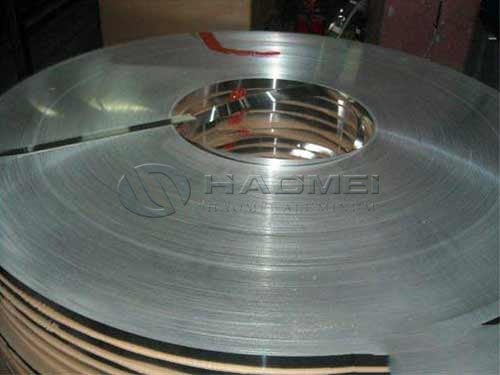
Temper Language: H112, T6, And T351 Explained Clearly
H112 means the material has been strain hardened to some degree during shaping, with no special control over the amount of hardening, but with mechanical properties meeting specified limits. For 5052 and 5083, H112 is common in products that need strength, weldability, and dimensional stability without the cracking risk that can appear in harder H tempers.
T6 means solution heat treated and artificially aged. It is not a normal temper for 5052 or 5083 because 5xxx alloys are non-heat-treatable. If a drawing says 5052-T6 or 5083-T6, it should be reviewed before production. The customer may actually require 6061-T6 strip or another heat-treatable aluminum grade.
T351 means solution heat treated, stress relieved by stretching, then naturally aged. It is typically linked to 2xxx or 7xxx plate, sheet, or strip products. For a buyer, seeing T351 beside 5052 or 5083 is a signal to check the design intent. The correct material may be a high-strength aerospace alloy rather than a marine 5xxx alloy.
This clarification prevents material substitution errors. A strip that looks visually similar on the shop floor can behave very differently in bending, welding, anodizing, or fatigue service.
Typical Product Parameters
| Item | Common Supply Range For Aluminum Strip |
|---|---|
| Alloy grades | 5052, 5083, and other Alloy Aluminum Strip options |
| Typical tempers | O, H32, H34, H111, H112; T6/T351 for suitable heat-treatable alloys only |
| Thickness | 0.2 mm-6.0 mm, depending on alloy and width |
| Width | 10 mm-1600 mm after slitting |
| Coil ID | 150 mm, 300 mm, 405 mm, 505 mm, or custom |
| Surface | Mill finish, brushed, coated, anodizing quality on request |
| Edge | Slit edge, deburred edge, round edge by agreement |
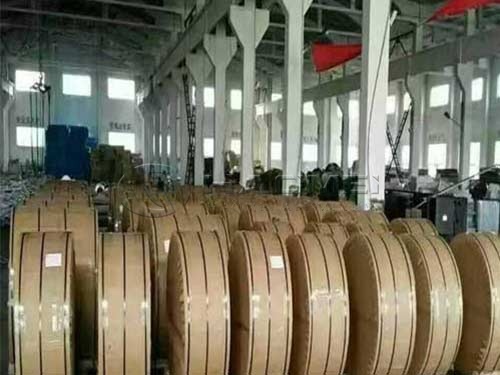
| Packaging | Eye-to-wall or eye-to-sky coil packing with moisture protection |
| Processing | Slitting, leveling, tension leveling, film coating, interleaving |
Standards Used In Production And Inspection
Common implementation standards include ASTM B209, EN 485, EN 573, EN 515, GB/T 3880, JIS H4000, and customer drawings. These standards help define chemical composition, mechanical properties, thickness tolerance, flatness, surface defects, and temper designation.
In export orders, ASTM B209 is frequently used for aluminum sheet and strip requirements. EN 573 covers chemical composition and product forms, while EN 515 defines temper designation. GB/T 3880 is widely used for general industrial aluminum plate, sheet, and strip in Chinese production. For tight industrial applications, the purchase order should also define burr height, camber, coil weight, surface oil level, and protective film requirements.
Chemical Composition Table
Typical chemical limits vary by standard. The values shown here follow common commercial ranges and should be confirmed against the purchase standard and mill certificate.
| Alloy | Si | Fe | Cu | Mn | Mg | Cr | Zn | Ti | Al |
|---|---|---|---|---|---|---|---|---|---|
| 5052 | 0.25 max | 0.40 max | 0.10 max | 0.10 max | 2.2-2.8 | 0.15-0.35 | 0.10 max | 0.15 max | Balance |
| 5083 | 0.40 max | 0.40 max | 0.10 max | 0.40-1.0 | 4.0-4.9 | 0.05-0.25 | 0.25 max | 0.15 max | Balance |
The higher magnesium content of 5083 explains its stronger mechanical performance and superior seawater resistance. The chromium content in 5052 helps improve corrosion resistance and grain structure stability. Manganese in 5083 supports strength and improves behavior in welded structures.
Mechanical Performance Reference
| Alloy And Temper | Tensile Strength | Yield Strength | Elongation | Main Manufacturing Behavior |
|---|---|---|---|---|
| 5052-O | 170-215 MPa | 65 MPa min | 14%-20% | Best for deep forming and tight bending |
| 5052-H32/H34 | 210-260 MPa | 160-215 MPa | 5%-12% | Balanced stamping and forming strength |
| 5052-H112 | 175 MPa min | Standard dependent | Standard dependent | General structural forming and welding |
| 5083-O/H111 | 275-350 MPa | 125-215 MPa | 10%-16% | Strong marine and welded assemblies |
| 5083-H112 | 270 MPa min | Standard dependent | Standard dependent | Higher strength strip for corrosion-critical use |
| T6/T351 | Alloy dependent | Alloy dependent | Alloy dependent | Applies only when matched with heat-treatable grades |
Applications Seen From The Workshop Floor
In stamping, 5052 strip is favored because it can absorb deformation without early edge cracking. It is suitable for brackets, shells, clips, washers, lamp parts, control cabinet panels, electronic structures, and automotive interior components. When surface appearance matters, control of scratches, roll marks, and oil stains becomes as important as tensile strength.
In marine work, 5083 strip is used where saltwater resistance and weld strength matter more than high cosmetic finish. Boat fittings, ship partitions, deck support parts, and container structures benefit from its magnesium-rich composition. It also performs well in cryogenic or low-temperature environments, where some materials lose toughness.
In transport equipment, both 5052 and 5083 help reduce weight while maintaining structural reliability. Truck body panels, trailer parts, fuel tank components, road signs, and rail vehicle fittings often use 5xxx aluminum strip because it combines corrosion resistance with weldability.
In electrical and industrial packaging, aluminum strip offers consistent conductivity, shielding behavior, reflectivity, and barrier performance. Although pure aluminum grades may be chosen for maximum conductivity, 5052 is selected when higher strength and better durability are required.
How To Specify Correctly
A clear order should state alloy, temper, thickness, width, tolerance, coil weight, surface requirement, edge condition, standard, and final use. For example, 5052-H32 strip for stamping is different from 5083-H112 strip for marine welding. If T6 or T351 appears in the drawing, the alloy must be verified before procurement.
The best product is not always the strongest one. It is the strip that matches the forming radius, corrosion environment, joining method, and production speed. For 5052 5083 T6 H112 T351 Aluminum Strip inquiries, the real value lies in translating temper names and alloy codes into reliable performance on the customer's production line.