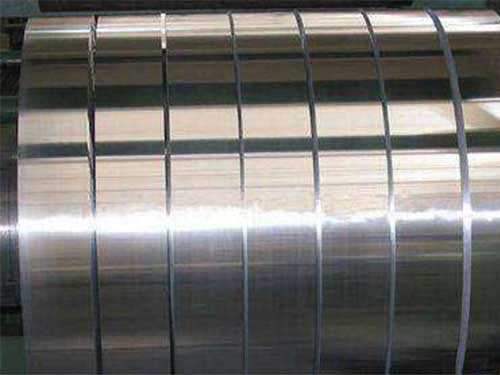
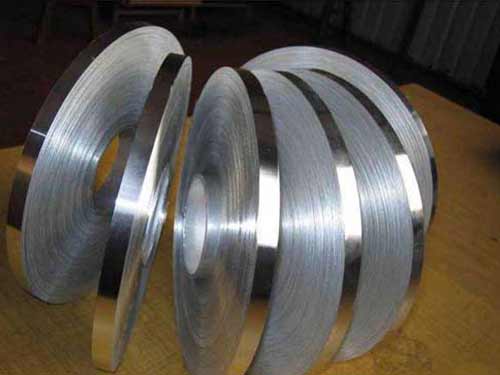
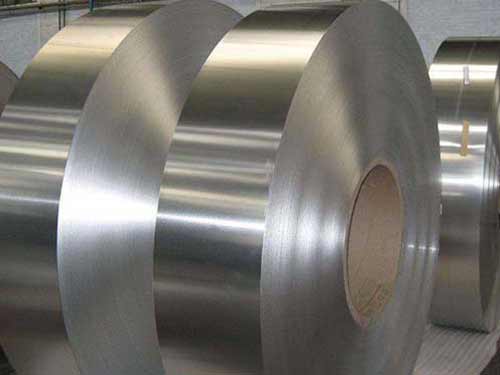
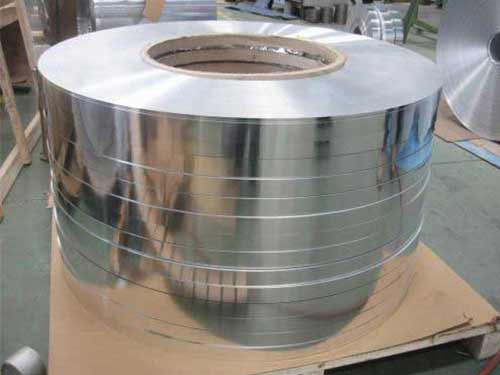
1050 1060 H14 Aluminum Strip Coil
1050 1060 H14 Aluminum Strip Coil: A Material Designed for Smooth Production
1050 1060 H14 aluminum strip coil is often selected not because it is the strongest aluminum product, but because it behaves predictably at every stage of manufacturing. It conducts electricity efficiently, bends without sudden cracking, accepts surface finishing well, and can be slit into narrow widths for continuous high-speed production.
This makes it a practical working material for transformer windings, cable shielding, lamp caps, heat-transfer components, stamped hardware, packaging closures, decorative trims, and light-duty fabrication. In many applications, the value of 1050 and 1060 aluminum lies in their ability to reduce forming difficulty while maintaining a clean, consistent appearance.
What the H14 Temper Means in Real Processing
The H14 designation is more than a label on a coil. It describes the balance between softness and strength created by strain hardening. In the H14 temper, the strip is half-hard. It has greater tensile strength and better resistance to handling dents than annealed O temper material, while remaining suitable for moderate bending, blanking, roll forming, and shallow stamping.
For production teams, H14 is frequently the middle ground. Fully soft aluminum may deform too easily during feeding or assembly, while harder tempers can increase springback and make edge cracking more likely in tighter bends. H14 aluminum strip coil offers enough rigidity for stable coil feeding and enough ductility for common fabrication operations.
1050 and 1060 are commercially pure aluminum grades in the 1000 series. Their properties come mainly from aluminum purity rather than alloying additions. 1050 contains at least 99.50% aluminum, while 1060 contains at least 99.60% aluminum. Because 1060 is slightly purer, it generally offers marginally higher electrical conductivity and excellent corrosion resistance. In everyday manufacturing, both grades are widely used where conductivity, formability, reflectivity, and light weight are more important than high structural strength.
For grade selection, a dedicated 1050 / 1060 Aluminum Strip range can be specified according to width tolerance, coil weight, edge condition, and end-use processing needs.
Chemical Composition
The chemical limits for 1050 and 1060 aluminum strip are commonly controlled according to EN, ASTM, and GB material designations. Small amounts of silicon, iron, copper, manganese, magnesium, zinc, and titanium may be present, but aluminum remains the dominant element.
| Element | 1050 Aluminum, % | 1060 Aluminum, % |
|---|---|---|
| Aluminum, Al | 99.50 min | 99.60 min |
| Silicon, Si | 0.25 max | 0.25 max |
| Iron, Fe | 0.40 max | 0.35 max |
| Copper, Cu | 0.05 max | 0.05 max |
| Manganese, Mn | 0.05 max | 0.03 max |
| Magnesium, Mg | 0.05 max | 0.03 max |
| Zinc, Zn | 0.05 max | 0.05 max |
| Titanium, Ti | 0.03 max | 0.03 max |
| Other elements, each | 0.03 max | 0.03 max |
The low alloy content gives these strip coils a clean metallurgical character. Their corrosion resistance is strong in normal atmospheric conditions because aluminum naturally develops a thin, protective oxide film. For indoor electrical equipment, lighting accessories, and coated packaging components, this natural protection can be especially useful.
Typical Parameters and Supply Conditions
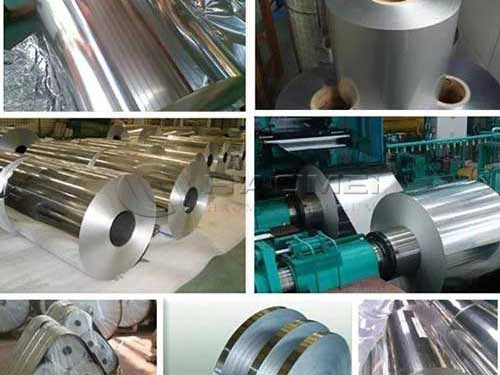
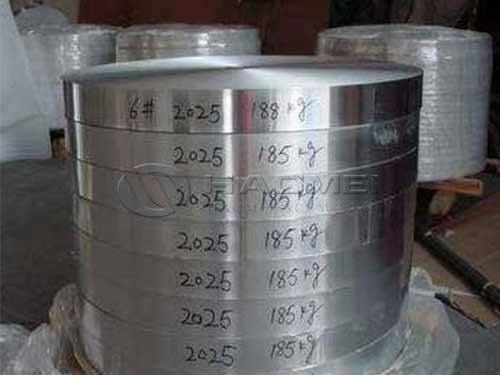
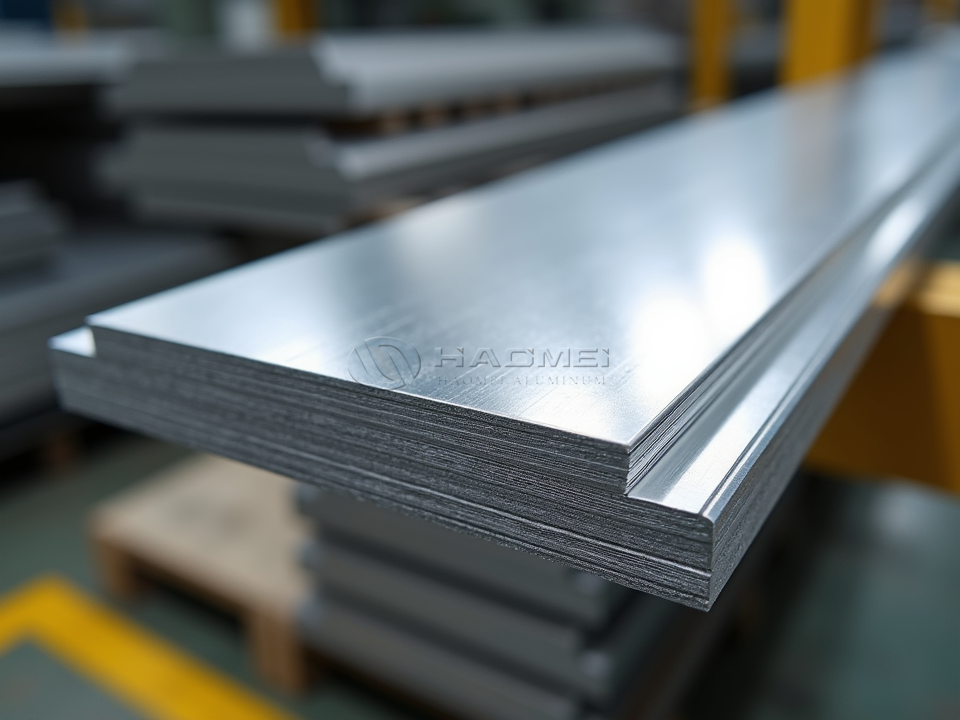
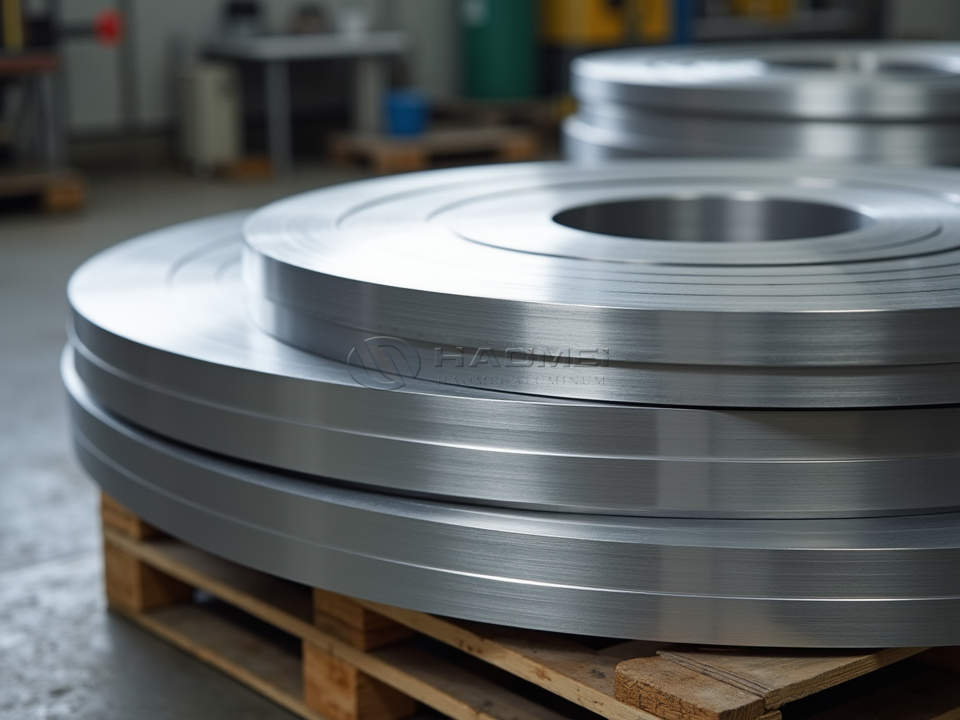
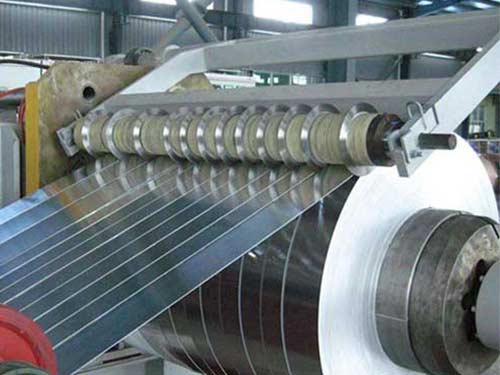
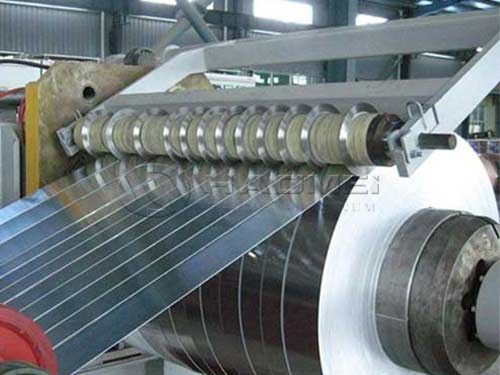
1050 1060 H14 aluminum strip coil can be supplied as rolled coil, slit narrow coil, or cut-to-length strip. Final dimensions should be matched to the stamping die, winding equipment, slitting line, or forming process rather than selected only by nominal thickness.
| Parameter | Typical Supply Range |
|---|---|
| Alloy | AA 1050, AA 1060 |
| Temper | H14, with O, H12, H16, H18 available on request |
| Thickness | 0.10 mm to 6.00 mm |
| Width | 10 mm to 1,650 mm |
| Coil inner diameter | 150 mm, 300 mm, 400 mm, 500 mm, or customized |
| Coil weight | According to handling and equipment capacity |
| Surface | Mill finish, bright finish, brushed, embossed, coated, or laminated |
| Edge condition | Mill edge, trimmed edge, deburred edge, slit edge |
For thin-gauge material, flatness, burr control, and camber can affect production more than the nominal alloy itself. A transformer winding operation may require smooth edges and consistent thickness to protect insulation layers. A stamping process may focus on low burr and uniform hardness to protect tools and improve part consistency. Cable applications may prioritize electrical conductivity, elongation, and clean surface quality.
Implementation Standards and Material Verification
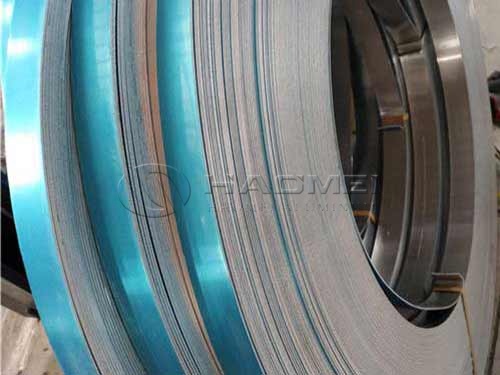
Common implementation standards for 1050 and 1060 aluminum strip include ASTM B209 for aluminum and aluminum-alloy sheet and plate, EN 485 for wrought aluminum sheet, strip, and plate, EN 573 for chemical composition, and GB/T 3880 for aluminum and aluminum alloy sheets and strips. Depending on the market and application, customers may also request compliance with JIS H4000 or relevant electrical-industry specifications.
A dependable material specification should state alloy, temper, thickness tolerance, width tolerance, coil ID, surface requirements, edge condition, packaging method, and required inspection documents. Mill test certificates are commonly used to verify chemical composition and mechanical properties.
Typical H14 mechanical properties vary with thickness and applicable standard, but tensile strength is often around 85 to 115 MPa, with yield strength approximately 60 MPa or higher. Elongation depends strongly on gauge; thicker strip typically shows higher elongation than ultra-thin strip. These figures should be confirmed against the required standard and actual production lot.
Where 1050 and 1060 H14 Create Practical Value
Electrical applications are a natural fit. The high aluminum content supports good conductivity, while the H14 temper provides sufficient handling strength for coil winding, busbar-related components, and conductive shielding layers. Although copper remains the reference conductor in many systems, aluminum strip offers a lighter and often more economical option where cross-sectional design can accommodate its conductivity level.
In lighting, 1050 1060 H14 strip can be stamped into lamp caps, reflector parts, trim rings, and heat-dissipation elements. Its bright surface response and corrosion resistance support both functional and decorative requirements. In packaging, it can be processed into closures, caps, seals, and reinforcing strips where light weight and surface cleanliness matter.
For stamped parts, H14 is particularly useful for washers, clips, tags, brackets, and shallow-drawn components. When forming demands become deeper or more severe, O temper may be a better choice. When the product must withstand higher mechanical loads, grades such as 3003 Aluminum Strip may provide a more suitable strength-to-formability balance.
Choosing Between 1050 and 1060
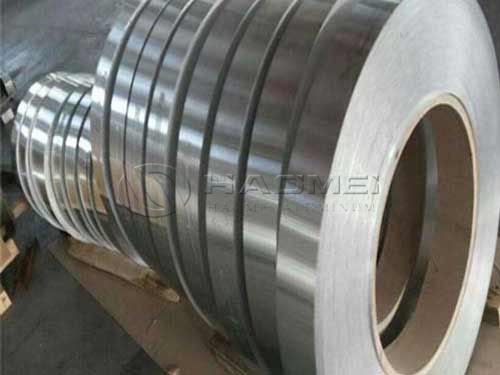
The decision is often application-driven rather than dramatic. Choose 1060 when higher purity and slightly improved conductivity are important, such as in electrical winding or conductive components. Choose 1050 when reliable formability, broad availability, and economical production are the main considerations.
Both alloys perform best when the coil specification is built around the manufacturing method. A strip coil is not simply raw metal in a roll; it is a controlled input for a production line. Correct temper, thickness stability, edge quality, and coil geometry allow 1050 1060 H14 aluminum strip coil to move smoothly from unwinding to the finished component with less waste, fewer interruptions, and more consistent results.